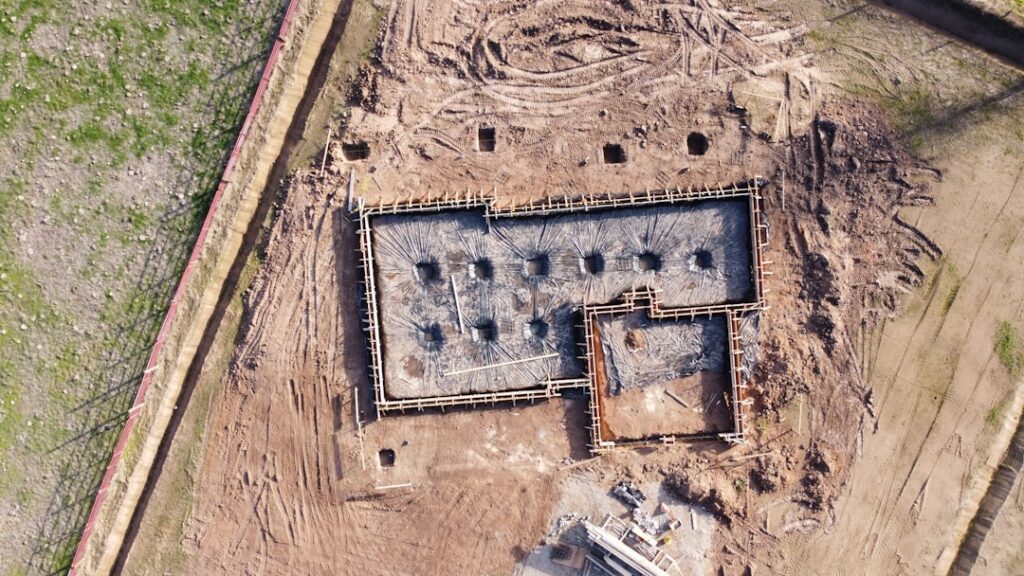
During the construction of a commercial building in Perth, the project manager quickly realized that the original plan for concrete footings wouldn’t hold up. The soil was too unstable to carry the building’s weight. This isn’t rare; soil reports sometimes miss key details, which can cause major setbacks on site. Instead of sticking to traditional methods, the team switched to screw pile foundations. These involve steel shafts with helical plates that are screwed deep into the ground. Installation is faster and requires less digging compared to concrete footings. This method offered a stable foundation that adapts well to ground movement, reducing future settlement risks.
In a separate residential project near a riverbank, engineers faced high moisture levels in the soil. The initial design called for shallow footings, but water saturation raised red flags. The engineers recommended using screw piles to transfer the building’s load down to firmer soil layers. This approach helps avoid problems caused by erosion or shifting water tables. It’s common to check groundwater levels before installation because ignoring them often leads to foundation failures. Installing screw piles also meant less disruption to the property, an important factor when working close to sensitive environments.
Screw pile foundations bring several practical advantages. They’re well-suited for poor or variable soil conditions and sites close to water bodies. The installation process is quieter and produces less vibration than traditional piling, which is valuable in urban areas where noise restrictions often apply. Plus, these piles can bear loads immediately after installation, allowing construction to continue without waiting for curing times like concrete requires. A common mistake is underestimating how quickly screw piles can speed up a schedule if planned correctly.
Durability concerns often arise with steel components underground. To address this, steel liners or casings are sometimes added to protect the piles from corrosion, particularly in acidic or saline soils. Engineers also use dewatering during installation to manage groundwater and prevent soil weakening around the piles. These steps improve long-term performance and reduce maintenance needs. It’s a good habit on-site to monitor pile torque readings during installation; inconsistent values can signal problems needing immediate attention.
Screw piles aren’t limited to buildings. They’re frequently used for solar panel arrays, telecom towers, and bridges where access is tough or soil conditions vary widely. When solid rock is present close to the surface, special drilling techniques might be required to install piles properly. Site-specific engineering reports usually guide these decisions, emphasizing practical adjustments over one-size-fits-all solutions. Clear communication between geotechnical engineers and drilling crews helps avoid downtime caused by unexpected subsurface conditions.
Choosing the right foundation can make or break a project’s success. If soil stability is uncertain or environmental factors come into play, screw pile foundation systems offer a safer and more adaptable option. Early involvement of drilling experts during design reviews can prevent costly changes later. Builders often find that integrating these foundations reduces rework and keeps timelines on track.
For anyone involved in construction across Perth and Western Australia, assessing site conditions thoroughly is non-negotiable. Working with teams experienced in auger drilling and foundation installation ensures projects move forward without surprises. If you’re looking for reliable drilling support, consider reaching out to providers offering foundation drilling services in western australia. Their practical know-how makes a tangible difference from start to finish.