
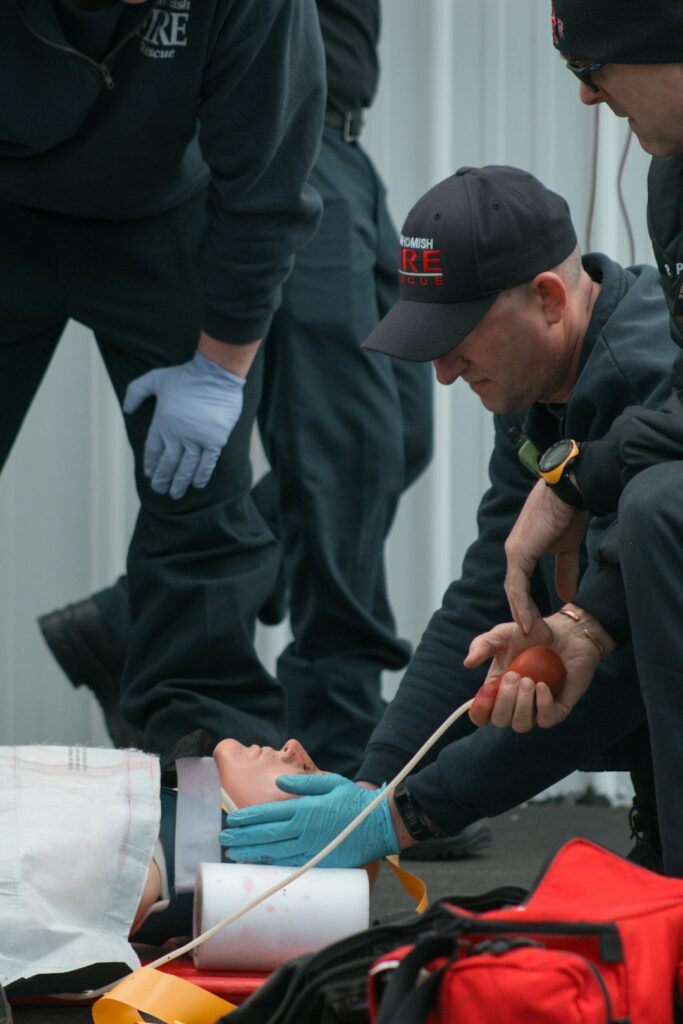
In emergency situations, the difference between life and death often depends on how quickly and effectively medical care is administered. This is why medical response training has become a vital component of preparedness for individuals, organizations, and communities. The ability to provide immediate assistance in medical emergencies, whether minor or life-threatening, is not just a skill for professionals—it is a civic responsibility that can save lives.
Medical response training encompasses a range of skills and knowledge, from basic first aid and CPR to more advanced trauma care techniques. These programs are designed to equip participants with the confidence and competence to act decisively in critical moments. Whether you’re a teacher, coach, construction worker, or simply someone who wants to be prepared, understanding how to respond to medical emergencies is increasingly seen as essential.
For those working in high-risk environments or in roles that involve caring for others, medical response training is often mandatory. But even outside of professional settings, individuals benefit from this type of education. For example, parents who are trained in pediatric first aid can manage situations such as choking or allergic reactions with far better outcomes. Similarly, bystanders at public events who are trained in CPR can provide immediate assistance while waiting for emergency services to arrive.
One major benefit of medical response training is that it reduces the burden on emergency services. When individuals are capable of administering initial care, it allows paramedics and emergency medical technicians to focus on more severe cases or provide follow-up care with better information. In large-scale emergencies such as natural disasters or mass casualty incidents, having trained individuals on the ground can greatly improve the overall response and recovery process.
Another important aspect of medical response training is the psychological readiness it provides. Emergencies are inherently stressful, and panic can quickly derail efforts to help. Training programs include scenarios and simulations that help participants develop calmness under pressure, ensuring that they can act rather than freeze. This mental preparedness is as valuable as the physical skills learned.
Training programs vary in content and duration, but most include instruction on how to assess a scene, manage bleeding, perform CPR, use an automated external defibrillator (AED), and handle fractures or burns. More advanced courses might cover airway management, trauma assessment, and even basic pharmacology. The goal is not to turn participants into paramedics, but to ensure they can stabilize a situation until professional help arrives.
Community-wide implementation of these programs can also foster a sense of collective responsibility and resilience. Schools, workplaces, and community centers that offer regular training sessions contribute to a network of prepared individuals who can support one another in emergencies. This shared knowledge base becomes a valuable asset, especially in rural or underserved areas where emergency response times may be longer.
Modern technology has made access to training more flexible. Many organizations now offer hybrid courses that combine online learning with in-person practical sessions. This makes it easier for busy individuals to gain certification without sacrificing the quality of hands-on instruction. Additionally, refresher courses and continuing education help ensure that skills remain sharp over time.
For those interested in learning more or finding local training opportunities, resources are readily available. You can explore programs and gain insight into course offerings by visiting websites dedicated to emergency preparedness and response. One such resource is this site focused on emergency response education, which provides guidance and information for individuals and organizations alike.
Ultimately, medical response training empowers people to act confidently and effectively when it matters most. By investing time in learning these vital skills, individuals not only protect those around them but also contribute to a more resilient and prepared society.