
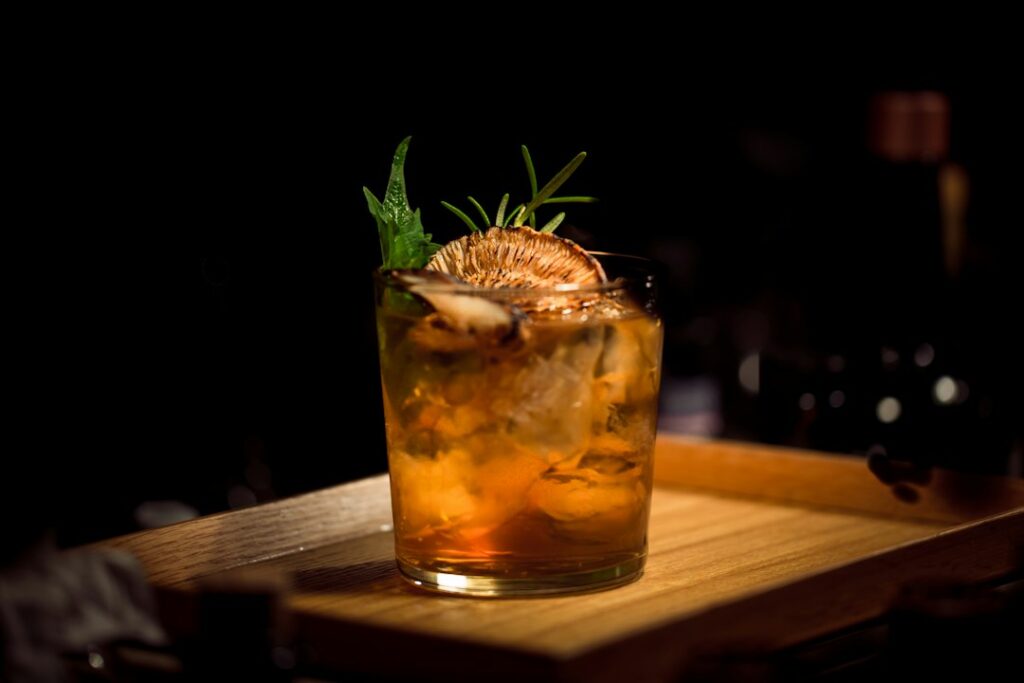

Start with the room, because atmosphere affects how long the visit feels. A distinctive setting can give an after-work drink some character while remaining relaxed enough for conversation. At cocktails midtown nyc, a guest may order a familiar vodka or whiskey combination while another asks for an unusual ingredient or a lower-sweetness option. That range is normal, not a sign that the group lacks a shared taste. A menu works well for mixed company when its descriptions identify the base spirit, the main flavor direction, and whether the drink is sparkling, stirred, or served over ice.
A small amount of preparation can make ordering faster. Before walking in, one person in the group may check the dinner reservation, show time, or theater address, then mention the latest possible departure to the server. That simple step prevents the familiar scramble in which everyone orders at once and nobody knows whether there is time for food. It also helps to state preferences in useful terms: not too sweet, bright and refreshing, spirit-forward, or something that can be sipped slowly. Asking about the drink’s base and preparation usually produces better guidance than asking only what is popular.
Ice is part of the recipe, not merely a way to make a glass cold. As ice melts, the water softens the alcohol and changes the concentration of the other ingredients. Stirring generally keeps a drink clear and gives it a different texture from shaking, which adds more aeration and is often used for drinks containing citrus, juice, or other ingredients that benefit from thorough mixing. The distinction matters before dinner. A stirred spirit-based drink may suit someone who wants a measured, slow sip, while a shaken citrus drink can feel more lively. Similar ingredients can still produce very different results because of temperature, dilution, and texture.
Balance describes how the elements of a cocktail work together. Sweetness can round off acidity, bitterness can keep a rich drink from tasting heavy, and salt in a small amount can sharpen other flavors without making the drink taste salty. A syrup-heavy cocktail may seem dull if there is not enough acidity or bitterness to give it shape. A very tart drink can feel severe without enough sweetness. Alcohol strength is only one part of the experience. A cocktail’s ABV indicates the proportion of alcohol in the liquid, but it does not tell you whether the drink will taste dry, sweet, bitter, light, or full-bodied.
Carbonation adds another variable that is easy to misread. Bubbles can make flavors arrive quickly and give a drink a lighter impression, but a sparkling cocktail is not automatically low in alcohol. If an early meeting is on the schedule, ask about the spirit, serving size, and overall intensity rather than judging by a tall glass or pale color. Pace matters as well. Drinking water between cocktails, ordering food before a second round, and allowing time to taste the first drink are practical habits that help keep the evening comfortable. A server can often suggest a lower-intensity direction without treating that request as unusual.
Food should enter the decision before the glass reaches the table. Salty snacks can make a crisp, acidic drink seem more refreshing, while rich dishes often benefit from bitterness, acidity, or a cocktail that is not heavily sweetened. A fried or creamy plate may overwhelm a delicate drink, whereas a sturdier spirit-based option can hold its flavor beside it. For a pair heading to a show, sharing one or two small dishes may be enough to turn a quick stop into a proper pause. Check whether the kitchen can serve those items promptly, especially if the reservation or curtain time is close.
The garnish deserves attention, but it should not make the decision by itself. A citrus peel contributes aroma, an herb can reinforce a botanical note, and a colorful accent may improve presentation, yet the base spirit, modifiers, acid, sweetener, temperature, and ice have greater influence on the drink as a whole. If the menu feels dense, a useful question is whether a cocktail is spirit-forward or citrus-led, followed by a request for the least sweet option in that style. For another reference point, the cocktail menu before dinner can help frame the stop as part of the meal rather than a separate event.
Groups also benefit from agreeing on pace before ordering a second round. One person may be ready to leave after a quick drink, while another wants to settle in with dinner, so it helps to order individually instead of treating the table as a single schedule. A guest who dislikes strong alcohol can ask for a tall, sparkling, or citrus-led preparation, while someone seeking a slower drink can ask about stirred options served over a large piece of ice. Those details make the menu easier to use. The right order is the one that fits the food, the clock, the conversation, and the drinker’s tolerance for sweetness and alcohol.