
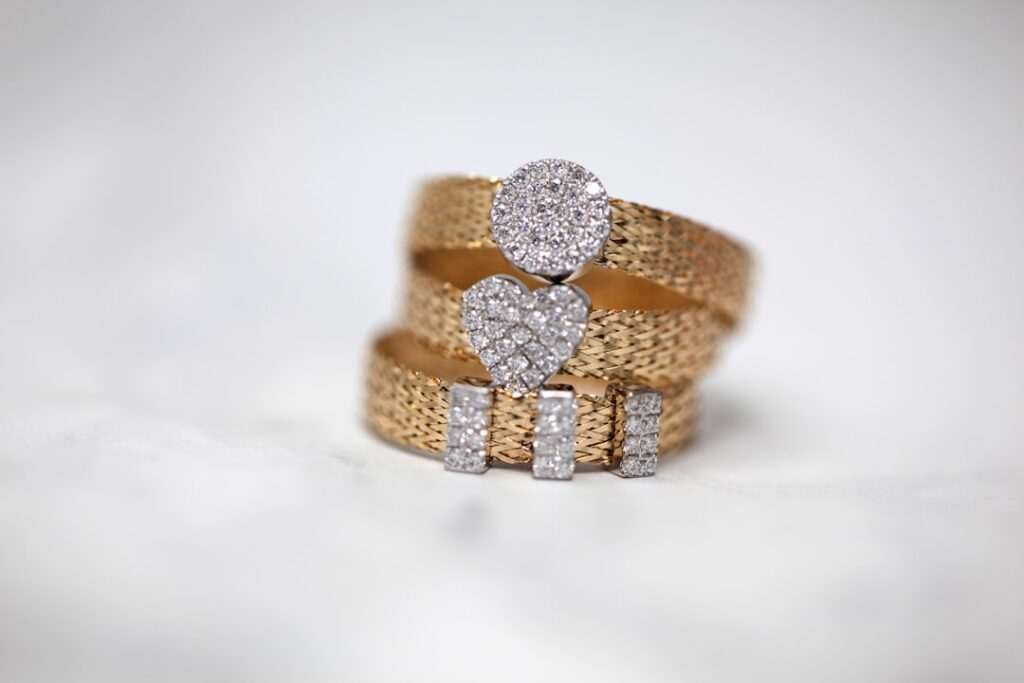
Planning an engagement or anniversary? You want jewelry that reflects your values as much as your feelings. The interest in sustainable jewelry is growing fast, offering more choices for those who care about impact. This isn’t a fleeting trend but a shift toward ethical sourcing and production in the jewelry world. Understanding what makes jewelry sustainable lets you pick pieces that align with your ethics, without compromising on style or quality.
Sustainability in jewelry starts with conservation. Choosing items made from recycled metals or ethically sourced gems helps protect natural resources. For example, recycled gold and silver reduce the need for new mining, which can devastate ecosystems and local communities. Many jewelers now keep detailed records of metal origins and require certification, so buyers can verify ethical claims. The result is jewelry with a story, crafted with care for the environment.
Lab-grown diamonds have become a real contender against mined stones. Chemically and visually identical to natural diamonds, they are grown in labs under controlled conditions that generally reduce carbon emissions. Couples who want a diamond’s sparkle but worry about ethical mining often turn to lab-grown options. Plus, these diamonds usually come at a lower price point, making quality more accessible. It’s wise to check if the seller provides transparent information about the diamond’s origin and grading.
Moissanite is another stone gaining attention as a diamond alternative. It’s prized for its fiery brilliance and toughness, making it ideal for daily wear like engagement rings. Moissanite can be created synthetically, which avoids mining altogether. While it has a different chemical makeup from diamonds, its durability and sparkle make it a practical, ethical choice. Some buyers appreciate its slightly warmer color tone, which sets it apart from traditional diamonds.
White sapphires offer a classic look at a more affordable price than diamonds. They don’t sparkle quite as much but provide excellent clarity and hardness for everyday use. Jewelers increasingly feature white sapphires in engagement rings and other fine pieces as a conscious alternative. When selecting white sapphire jewelry, it’s helpful to ask about treatments the stones may have undergone, as some enhancements affect longevity.
Upcycling old jewelry is an innovative way to reduce waste and create unique pieces. Skilled artisans can transform vintage rings or brooches into modern pendants or earrings. This approach not only keeps materials out of landfills but also blends styles from different eras, resulting in one-of-a-kind designs. If you’re considering upcycling, share any sentimental pieces with your jeweler early on; clear communication prevents surprises during redesign.
Buying second-hand or pre-owned jewelry is another way to support sustainability. This market reduces demand for freshly mined gems and metals while offering unique finds. It’s common for buyers to request appraisals or authenticity certificates when purchasing used pieces to avoid confusion or fraud. Many sellers provide detailed histories of their items, which adds value and peace of mind.
Jewelry stores themselves can contribute to sustainability by adopting eco-friendly practices like using recycled packaging or energy-efficient lighting. Supporting retailers committed to these efforts encourages more businesses to follow suit. If you’re unsure about a store’s policies, ask about their sustainability commitments and certifications before buying.
Exploring sustainable jewelry lets you find meaningful pieces that match your principles while marking life’s milestones. The options available empower you to wear jewelry that looks good and does good. For more information on styles and sourcing, visit .