Protecting a building from water intrusion begins at the foundation. One of the most effective ways to safeguard a structure is through the use of a foundation waterproofing membrane. This solution plays a critical role in maintaining the integrity of a building by preventing moisture from seeping into the foundation, which can lead to mold, structural damage, and long-term deterioration.
A foundation waterproofing membrane acts as a barrier between the exterior environment and the building’s foundation. Typically applied on the outside of a structure, it helps block groundwater, rain runoff, and moisture-laden soil from entering interior spaces. These membranes can be made from a variety of materials, including rubberized asphalt, liquid-applied polymers, and self-adhering sheet membranes. The choice of material often depends on the specific site conditions, budget, and long-term performance expectations.
One of the most notable advantages of using a foundation waterproofing membrane is its ability to prevent water infiltration even in high-moisture environments. Over time, concrete and masonry, while strong, can develop cracks and become porous. Without proper waterproofing, these vulnerabilities allow moisture to make its way into basements and crawl spaces. A quality membrane forms a continuous seal, addressing both existing cracks and potential future breaches.
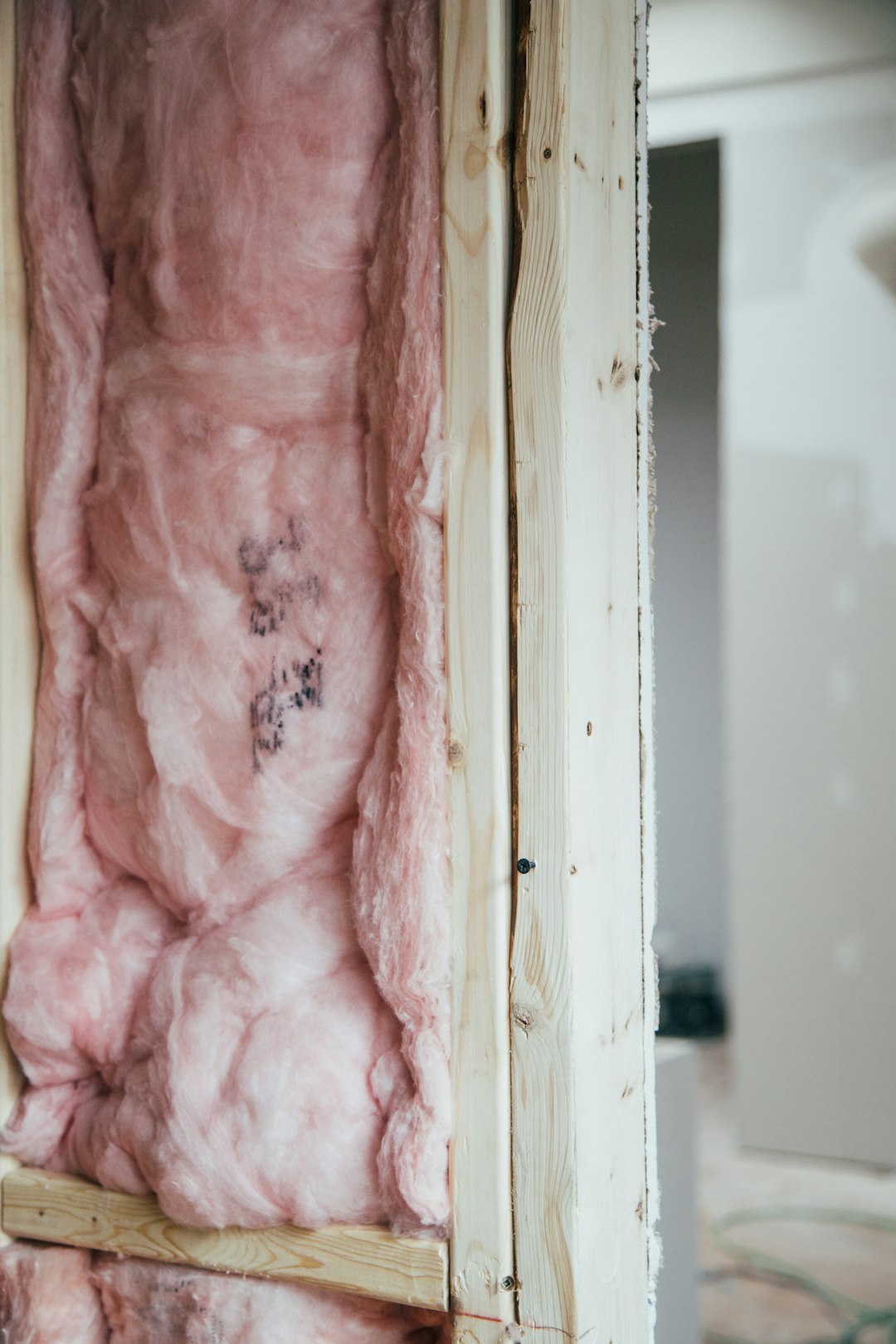
In addition to moisture protection, waterproofing membranes contribute significantly to energy efficiency. By preventing the intrusion of damp air, they help maintain a more consistent indoor temperature, reducing the load on heating and cooling systems. This can translate into lower utility bills and a more comfortable living environment. Furthermore, keeping moisture out helps preserve insulation performance, which can degrade when exposed to damp conditions.
It’s also worth considering the role of these membranes in preventing mold growth. Mold thrives in damp, dark environments, and a compromised foundation can create ideal conditions for it to flourish. Once mold takes hold, remediation can be costly and time-consuming. A properly installed membrane significantly reduces the risk of mold development, promoting a healthier indoor environment.
Installation is a critical factor in the performance of any waterproofing membrane. Preparation of the foundation surface, correct application techniques, and attention to detail all influence the membrane’s effectiveness. Inadequate surface cleaning or improper sealing can lead to failures, even with high-quality materials. That’s why it’s often recommended to consult professionals with experience in foundation waterproofing to ensure optimal results.
Beyond new construction, waterproofing membranes are also commonly used in renovation projects. Older buildings often suffer from water-related issues due to outdated or nonexistent waterproofing systems. Retrofitting a membrane onto an existing foundation can extend the structure’s lifespan and improve overall performance. This is particularly important in regions with high rainfall, fluctuating water tables, or poorly draining soil conditions.
When evaluating long-term property maintenance, investing in a durable waterproofing solution is a proactive step. It not only protects structural components but also enhances property value. Prospective buyers often view a dry, well-maintained basement as a sign of overall care and quality. Additionally, insurance claims related to water damage can be costly and may not always be covered, making prevention the more cost-effective approach.
For those seeking to understand more about effective building protection methods, exploring modern waterproofing technologies can be highly informative. Many resources explain how these membranes function and the best practices for their implementation. One such source offers detailed insights into building materials and surface protection technologies, which can help inform your decision-making. For more information, visit building surface solutions that support long-term structural integrity.
In conclusion, incorporating a foundation waterproofing membrane into your building plans or renovation project is an essential measure for protecting one of the most vulnerable parts of a structure. From preventing water damage to improving energy efficiency and indoor air quality, the benefits are substantial. With proper installation and material selection, a waterproofing membrane can serve as a long-lasting shield against the elements.