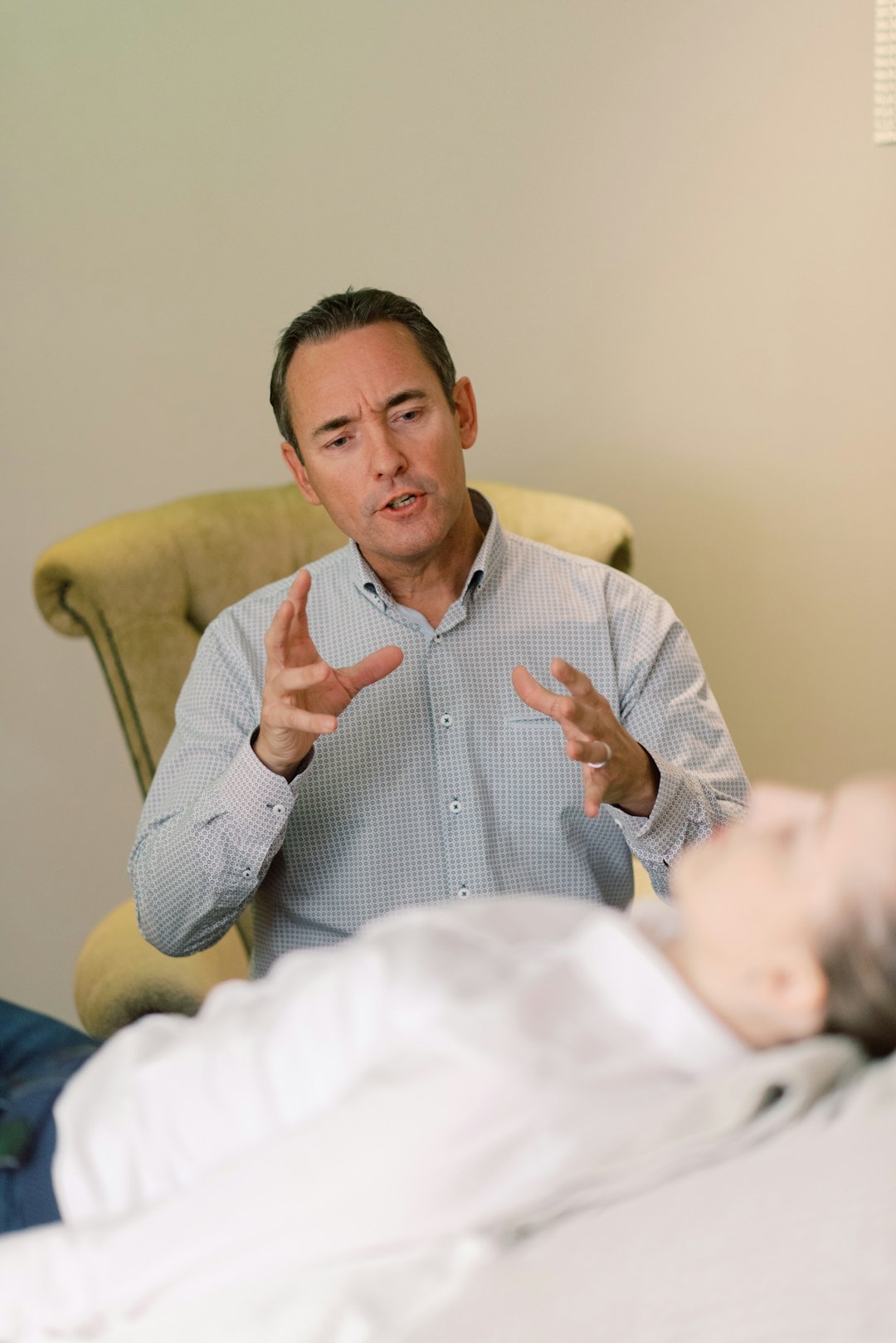

Waking up to blurry or cloudy vision can be frustrating and even alarming. You might notice difficulty reading road signs, watching TV, or focusing on fine details. These symptoms often point to cataracts, a condition where the eye’s natural lens becomes clouded. If you’re experiencing this, consulting a cataract surgeon is a sensible next step to explore treatment options.
During your first visit, the surgeon will carry out a thorough eye exam. This usually involves checking your visual acuity with standard charts and testing how well both eyes work together. They’ll likely use a slit-lamp microscope to get a close look at the eye’s internal structures, including the lens and cornea. These tests help determine how advanced the cataracts are and if surgery is the right choice.
Cataract surgery is generally straightforward. The cloudy lens is removed and replaced with an artificial intraocular lens (IOL). The procedure typically takes less than 30 minutes under local anesthesia. Still, patients should be aware of potential issues like posterior capsule opacification (PCO), where the lens capsule becomes cloudy months after surgery. This can cause vision to blur again but is easily treated with a quick, painless outpatient YAG laser capsulotomy.
Some people delay surgery because of fear or uncertainty, which can allow cataracts to worsen and make recovery tougher. Discussing any concerns with your surgeon can clarify risks and benefits. Prompt treatment often leads to better outcomes and faster visual improvement.
After surgery, clear vision often returns within days. It’s important to follow post-operative instructions carefully. This includes using prescribed eye drops to reduce inflammation and prevent infection. Skipping follow-up visits increases the chance of missing complications, such as increased eye pressure or infection. Patients commonly report surprise at how quickly they adapt to their new vision but staying on top of care helps maintain results.
If you want to explore options, consider booking an appointment with a cataract surgeon sunshine coast. Look for someone who performs thorough evaluations and has solid experience in cataract removal and IOL selection. The right surgeon will discuss lifestyle needs during consultation, helping pick the best lens type for activities like reading or driving.
Besides surgery, managing early cataracts can involve lifestyle changes such as wearing sunglasses to reduce UV exposure and using brighter lighting for reading. Regular eye exams every 6 to 12 months help track progression and decide when surgery becomes necessary.
For those dealing with cataracts, reaching out to professionals who focus on eye health ensures tailored advice based on your vision goals and medical history. It’s never too late to find support. Taking that initial step makes a big difference toward clearer sight and safer daily living. Visit sunshine coast eye care services for more information.