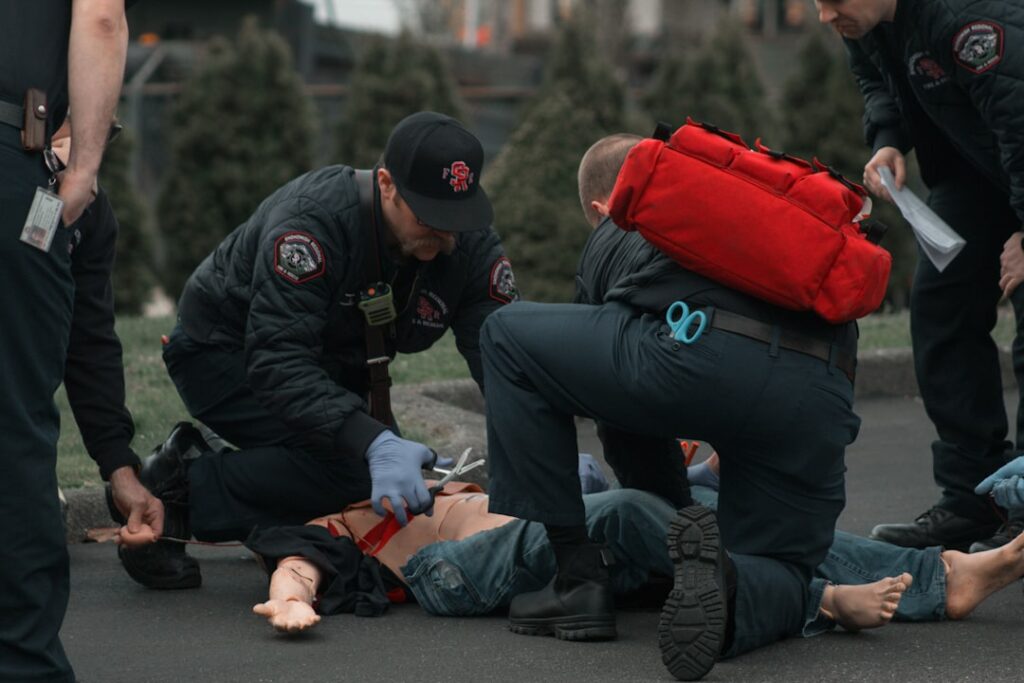
Medical first response plays a critical role in emergency situations, often serving as the vital link between an incident and definitive medical care. When accidents, natural disasters, or sudden health crises occur, trained first responders are typically the first on scene. Their ability to assess, stabilize, and manage patients during the crucial initial minutes can significantly impact outcomes. These professionals are trained to provide immediate care that can mean the difference between life and death, making their presence indispensable in both urban and rural environments.
In communities around the world, medical first responders include emergency medical technicians, paramedics, firefighters, police officers, and trained civilians. Each plays a unique role in delivering time-sensitive care, from CPR and bleeding control to airway management and trauma stabilization. A well-structured medical first response system ensures that victims receive prompt attention, which can reduce complications, improve recovery times, and even prevent fatalities. These systems rely on continuous training, community involvement, and coordinated communication among various emergency services.
One of the most valuable aspects of a strong first response system is its emphasis on training and preparedness. Whether through formal certification courses or community outreach programs, individuals can learn to recognize medical emergencies and act decisively. For example, knowing how to perform CPR or use an automated external defibrillator (AED) can dramatically increase the survival rate of someone experiencing cardiac arrest. The knowledge and confidence gained from training empower people to intervene effectively while waiting for professional help to arrive. This foundational principle is at the heart of medical first response efforts.
Beyond medical skills, first responders must also be trained in communication, situational awareness, and emotional regulation. Emergencies often involve high stress, and responders must quickly assess scenes, prioritize patients, and provide updates to emergency dispatch and hospital staff. This level of coordination requires not only individual expertise but also teamwork and a shared understanding of protocols and procedures. As such, agencies that provide first response services invest heavily in drills, simulations, and multi-agency collaboration exercises to ensure readiness.
Technology continues to enhance the effectiveness of medical first response. Mobile applications, real-time GPS tracking, and digital reporting tools now allow responders to reach incidents more quickly and share patient data with hospitals en route. These advancements reduce delays in treatment and help emergency departments prepare for incoming patients. In some areas, drones equipped with medical supplies are being tested to deliver life-saving equipment to remote or inaccessible locations, further expanding the reach and capability of first responders.
Public education also plays a key role in supporting first response efforts. By raising awareness of common medical emergencies and encouraging citizens to take part in training programs, communities become more resilient. Schools, workplaces, and public venues increasingly offer first aid and CPR courses, recognizing that a well-informed population can assist in emergencies before professional responders arrive. This culture of preparedness not only improves survival rates but also fosters a sense of shared responsibility and mutual aid.
Government policy and funding can significantly influence the quality and availability of first response services. Investments in training, equipment, and personnel are essential for maintaining high standards of care. Moreover, establishing clear protocols and communication channels among emergency services improves efficiency and reduces duplication of efforts. In regions with limited resources, partnerships with non-profit organizations and volunteer networks can supplement formal emergency services and ensure broader coverage.
For those interested in contributing to their community’s emergency readiness, many organizations offer opportunities to volunteer or pursue formal training. Becoming a certified first responder or participating in community emergency response teams can provide valuable experience and make a meaningful difference. Learning more about the structure and goals of emergency medical services is a good starting point for anyone looking to get involved.
Ultimately, medical first response is more than just a service—it is a cornerstone of public safety and health. Through training, technology, and community engagement, these efforts save lives and provide critical support during some of the most challenging moments people may face. Whether delivered by professionals or trained volunteers, the swift and skilled actions of first responders underscore the profound impact that immediate care can have on individual and community outcomes.