
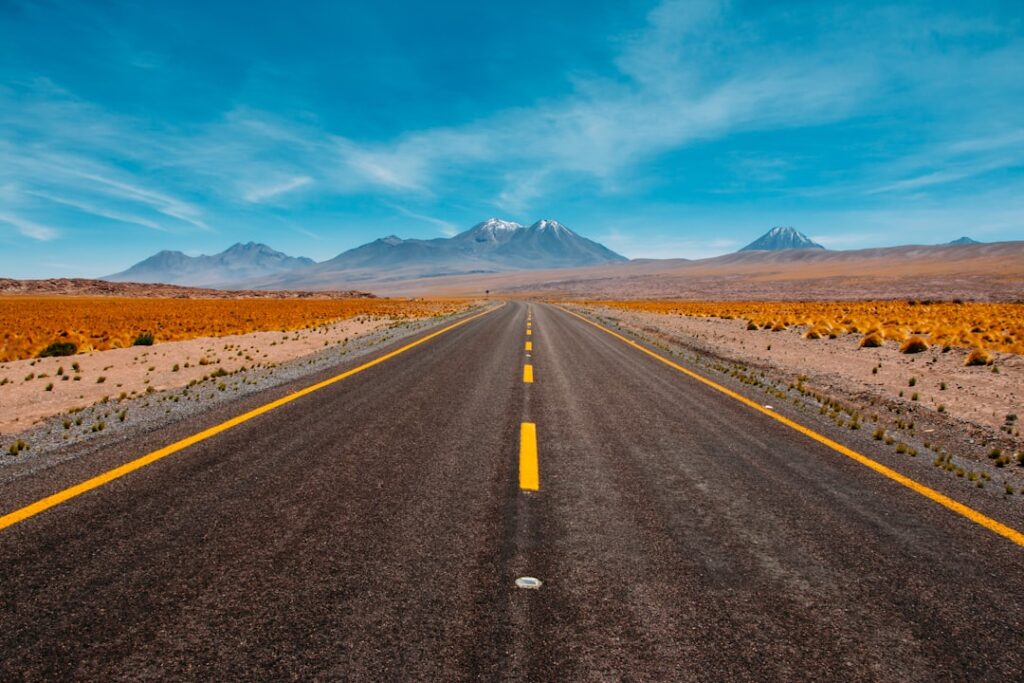
Driving yourself through Namibia’s expansive landscapes offers an unmatched sense of freedom. Imagine rolling past the sunbaked dunes of Sossusvlei, their shapes shifting with the wind, or venturing through Damaraland where ancient rock engravings tell stories of long-gone cultures. A self-drive safari lets you set your own rhythm; stop whenever a view or wildlife sighting catches your eye. The main roads are generally well-kept, but expect some gravel stretches as you move into more remote areas. It’s not just a drive, it’s an adventure with every turn bringing new surprises.
Choosing the right vehicle is more than just convenience. A sturdy 4×4 is often necessary, especially if you want to explore national parks like Etosha. Those vehicles handle rough tracks and can reach secluded waterholes where animals gather. Before you set out, check local driving rules carefully, speed limits vary and fuel stations can be far apart in some regions. Many travelers keep a spare fuel container just in case, avoiding long detours just to refuel.
Namibia’s landmarks are worth planning around. Fish River Canyon offers jaw-dropping views that rival any grand canyon worldwide, while Kolmanskop’s deserted buildings provide a haunting glimpse into the diamond rush era. These spots are easier to appreciate when you control your schedule. You can linger at a canyon rim until the light changes or wander through sand-filled rooms without feeling rushed by a group.
Safety on these roads isn’t something to take lightly. Driving after dark increases the risk of hitting wildlife that wander onto the roads unexpectedly. It’s common practice to finish driving before sunset. Also, knowing basic vehicle maintenance is a huge help. Skills like changing a tire or jump-starting a battery can prevent hours of delay. Carrying extra water and emergency supplies isn’t just smart; it’s necessary in this dry, isolated environment.
Namibia’s appeal extends beyond its scenery; its cultural heritage is compelling. Spending time with local communities enriches your trip. Visiting a Himba settlement or learning about the San people’s traditions gives context to the land you’re exploring. Self-driving means you decide when to pause for these encounters instead of sticking to a strict itinerary, making interactions more genuine.
You don’t have to go it alone all the way. Some safari packages combine guided tours with self-driving segments. For example, an 11-day Botswana Safari might include expert-led parts before handing over the wheel in Namibia’s wilds. Options like self-drive Namibia cater to different adventure levels and interests, allowing travelers to mix structured guidance with independent exploration.
Preparing for a self-drive trip means more than booking a car. Check your rental agreement for coverage details and local emergency contacts. Many experienced travelers print out maps even if they rely on GPS, as signal can be patchy outside towns. Label your luggage clearly and store valuables out of sight in your vehicle to avoid attracting unwanted attention.
If you want help tailoring your itinerary or need advice on practical matters like border crossings or vehicle insurance options, consider consulting local travel advisors who understand the area’s nuances. They can guide you through paperwork quirks or suggest less obvious routes worth taking. Finding resources for travel planning in southern africa can make your journey smoother and more rewarding.