
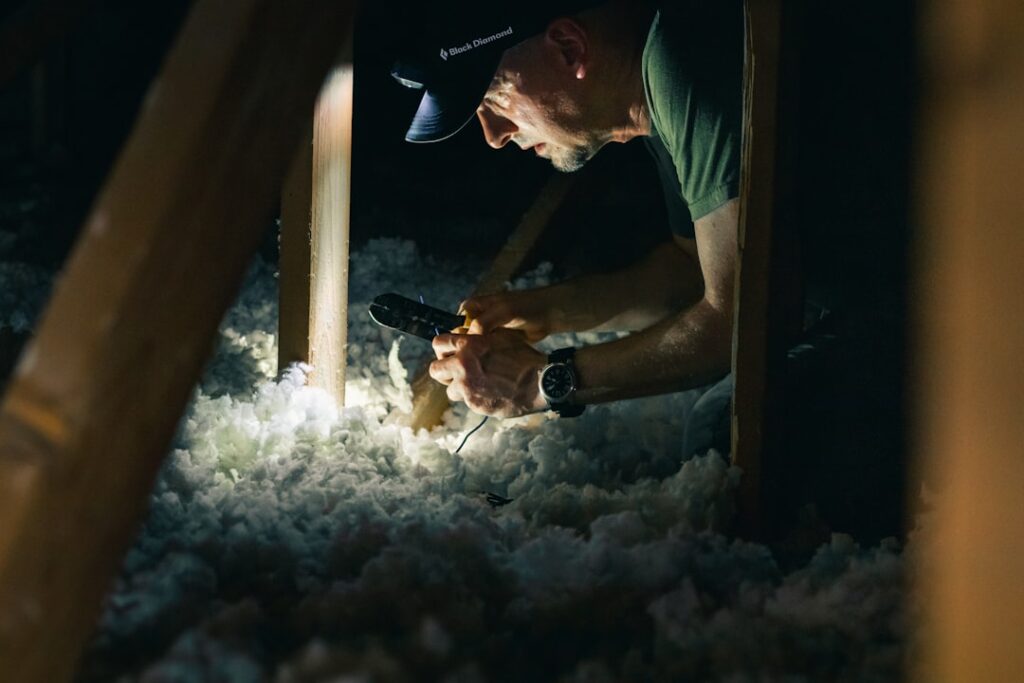
Cold rooms in winter are all too common in Scottish homes with poor loft insulation. The chill coming through the ceiling is more than uncomfortable; it pushes up heating bills and wastes energy. Fortunately, several grants exist to help cover the cost of upgrading loft insulation, easing both discomfort and expenses while improving a home’s efficiency. Homeowners often overlook these options, missing out on substantial savings.
Insulation materials vary widely. Mineral wool is a popular choice due to its affordability and decent thermal properties. It also dampens noise well, which is handy for homes near busy roads. Rigid foam boards offer better insulation but tend to be pricier. Choosing the right type depends on factors like the building’s age, roof structure, and budget. For example, mineral wool can be easier to fit in irregular loft spaces, while foam boards often require a more precise installation.
Local councils across Scotland frequently provide grants aimed at improving energy efficiency in older properties. These funds are targeted mostly at households with lower incomes or homes that don’t meet current insulation standards. Applying involves filling out forms detailing income and property type, which can be confusing without guidance. It’s common for applicants to overlook necessary documents such as energy performance certificates, causing delays or denials.
Consider a family living in a tenement flat built before modern insulation standards. Their heating bills might spike in winter because cold air seeps through the poorly insulated loft. By applying for a grant, they could receive financial help covering most of the installation work. The actual fitting usually takes less than a day with a qualified installer and often requires minimal disruption, although homeowners should prepare by clearing the loft space beforehand.
Small business owners can also benefit from similar grants, especially those operating from older buildings like converted warehouses. Heat loss through roofs can significantly raise operating costs. If the business can show a commitment to reducing energy use, it often qualifies for funding assistance. Applying might require additional paperwork, including proof of business registration and recent utility bills, so keeping these documents organized beforehand helps avoid setbacks.
Understanding terms like U-values is helpful when discussing insulation upgrades. U-values measure how well a material resists heat transfer; lower numbers mean better insulation. This knowledge helps homeowners compare current insulation with what new materials offer. Besides adding insulation, sealing gaps around loft hatches and fitting draught excluders on doors can further reduce heat loss. These small fixes are often overlooked but contribute significantly to keeping homes warmer.
Reliable information is key before applying for any grant. Resources such as loft insulation grants scotland offer clear eligibility details and step-by-step application advice. Many applicants benefit from printing out checklists and keeping notes during phone calls to local councils or energy providers; this reduces confusion and prevents repetitive questions during follow-ups.
Beyond immediate savings on fuel bills, better loft insulation reduces carbon footprints by lowering energy consumption. It’s an investment that pays off over years, especially in Scotland’s cold climate where heating is a major expense. Whether you’re trying to stay warm on freezing mornings or just want to cut costs, exploring available grants can make upgrading your loft insulation affordable and straightforward. For additional support on improving home energy efficiency, visit energy saving advice in scotland.