
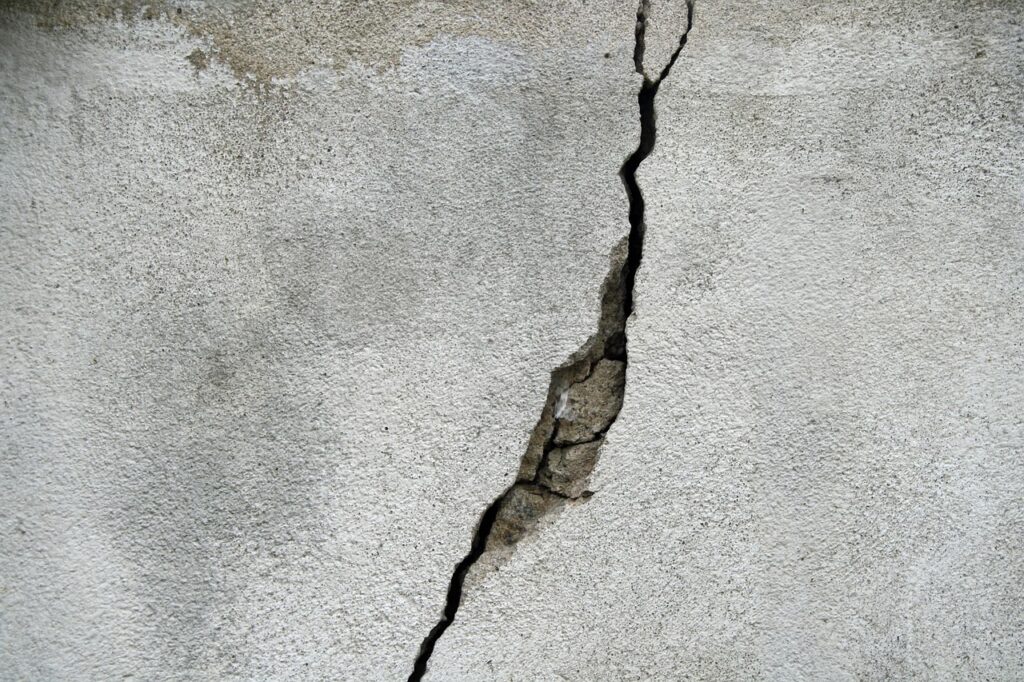
Are you thinking of renovating your home, specifically your floors? Before doing so, it’s important to consider the type of flooring you want and how it will be installed. One vital element that should not be overlooked is the crack suppression membrane. This simple addition to your flooring can help protect it against cracking over time, saving you money and headaches in the long run.
A crack suppression membrane is a thin layer of material applied between the substrate and the finished flooring. It’s designed to prevent cracks from appearing in the finished floor due to movement or settling of the substrate. This membrane is often used when installing tile or stone flooring, but it can also be used with other types of flooring.
The membrane is made of several materials, including plastic, rubber, or a combination of both. It comes in rolls or sheets, with varying thickness, and can be cut to fit the specific dimension of your floor. The membrane is placed over the substrate, secured in place with adhesive, and then the finished flooring is installed over it.
One of the benefits of using a crack suppression membrane is that it helps to evenly distribute weight and movement across the floor. As the substrate moves or settles due to temperature changes or other reasons, the membrane can bend and flex, allowing the finished floor to remain intact. Without the membrane, these movements can cause stress on the finished flooring, leading to cracks or tile breaks.
Another advantage of using a crack suppression membrane is that it can help prevent moisture from damaging the finished floor. Moisture can seep up from the substrate, or from the environment, and cause damage over time. The membrane helps to create a moisture barrier, protecting the finished flooring from any harmful effects.
So, how do you know if you need a crack suppression membrane? If you’re installing tile or stone flooring over a concrete slab or on an upper-level floor that has movement, you should consider using one. Additionally, if you’re installing flooring in an area that experiences frequent temperature changes or is exposed to moisture, a membrane is highly recommended.
Installing a crack suppression membrane is also relatively easy and can be done by a professional or DIY enthusiast. However, it’s important to follow the manufacturer’s instructions carefully, as improper installation can lead to the membrane failing to do its job.
A crack suppression membrane is an essential part of any flooring installation. It provides added protection against cracks, tile breaks, and moisture buildup, ensuring that your finished flooring stays looking like new for years to come. Don’t skip this simple step in your flooring project, and enjoy the peace of mind that comes with knowing your floors are protected.