An anterior cruciate ligament (ACL) injury is one of the most common knee injuries, particularly among athletes and those who lead an active lifestyle. The ACL plays a crucial role in stabilising the knee joint, and its injury can lead to significant pain, swelling, and instability. For many, the road to recovery involves a comprehensive approach, with physiotherapy being a cornerstone of the rehabilitation process. In this article, we will explore the importance of ACL injury physiotherapy, the rehabilitation process, and what one can expect during treatment.
### The Role of Physiotherapy in ACL Injuries
Physiotherapy is essential in the recovery from an ACL injury as it helps to restore function, improve strength, and reduce pain. The primary goals of physiotherapy are to regain range of motion, strengthen the muscles around the knee, and facilitate a safe return to normal activities or sports. A well-structured physiotherapy programme can significantly enhance the healing process and minimise the risk of re-injury.
### Initial Assessment and Treatment Plan
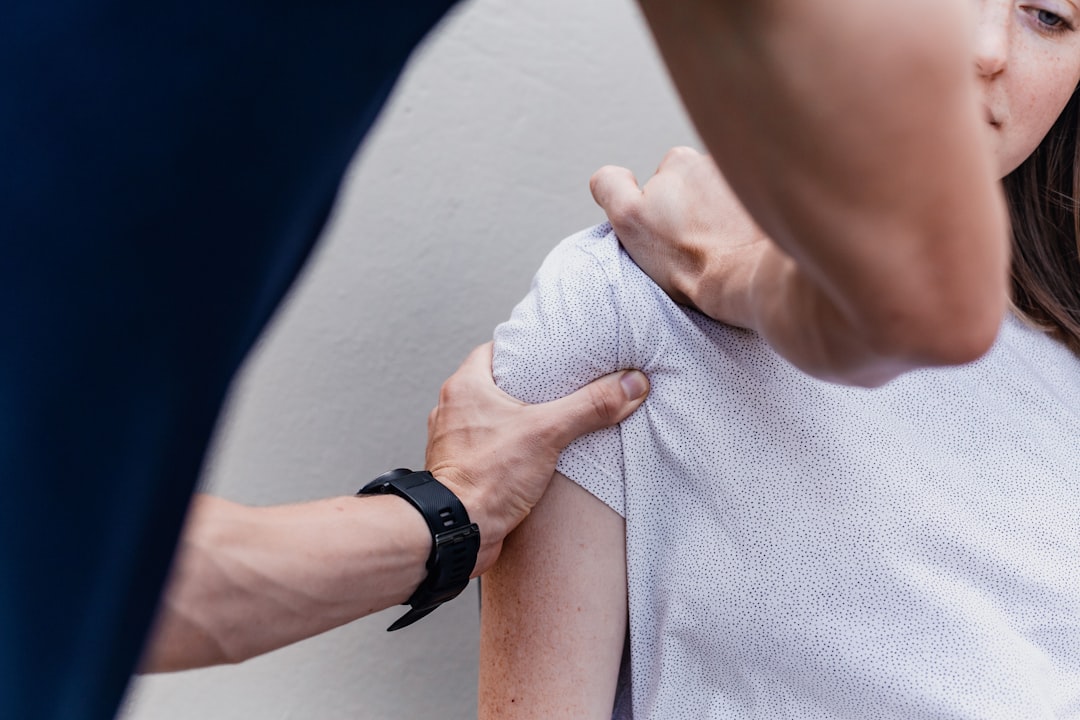
Upon diagnosis of an ACL injury, a physiotherapist will conduct a thorough assessment to evaluate the extent of the injury. This may involve physical examinations, functional tests, and possibly imaging studies. Based on this assessment, a tailored treatment plan will be developed, focusing on individual needs and goals.
The initial phase of treatment typically involves managing pain and swelling. This may include the use of ice therapy, compression, and elevation. The physiotherapist may also advise on rest and the use of crutches to minimise weight-bearing on the injured knee.
### Rehabilitation Phases
The rehabilitation process for an ACL injury is generally divided into several phases:
1. **Phase 1: Acute Phase** – This phase focuses on pain relief and swelling reduction. Gentle range of motion exercises may be introduced, along with isometric strengthening exercises for the quadriceps and hamstrings.
2. **Phase 2: Strengthening Phase** – As pain decreases and mobility improves, the focus shifts to strengthening the muscles surrounding the knee. This may involve more dynamic exercises, including resistance training and balance activities. The goal is to build strength and stability to support the knee joint.
3. **Phase 3: Functional Phase** – In this phase, activities that mimic sports-specific movements are introduced. The physiotherapist will guide the patient through exercises that enhance agility, coordination, and proprioception, which are crucial for preventing future injuries.
4. **Phase 4: Return to Sport** – The final phase involves a gradual return to sports or high-impact activities. Physiotherapists will often conduct functional tests to ensure the athlete is ready to return safely. This may include agility drills, jumping exercises, and sport-specific skills.
### The Importance of Compliance
One of the most critical aspects of ACL injury physiotherapy is adherence to the prescribed programme. Patients are encouraged to follow their physiotherapist’s recommendations closely, as this significantly impacts recovery outcomes. Regular attendance at physiotherapy sessions and commitment to home exercises are vital for achieving optimal results.
### Conclusion
Recovering from an ACL injury can be a lengthy process, but with the right physiotherapy approach, individuals can regain their strength and return to their pre-injury activities. Physiotherapy plays a pivotal role in the rehabilitation journey, helping to restore function, improve strength, and minimise the risk of re-injury. If you or someone you know is dealing with an ACL injury, consider seeking professional guidance to embark on a tailored recovery plan. For more information on effective rehabilitation strategies, you can explore resources on acl injury physiotherapy. Embracing a comprehensive physiotherapy programme is an investment in your long-term health and mobility.