The process of drug discovery is a complex and multifaceted journey that transforms a scientific idea into a therapeutic solution. It encompasses a series of stages, each critical to ensuring that potential drugs are safe, effective, and viable for human use. This article explores the key phases of drug discovery, shedding light on its importance in the pharmaceutical landscape.
At the heart of drug discovery is the identification of a target, which is typically a molecule in the body associated with a disease. Researchers delve into understanding the biological mechanisms of diseases, which can lead to the identification of potential drug targets. This foundational step is crucial, as it directs the subsequent phases of drug development. For those interested in exploring the intricacies of this process further, resources such as Drug discovery platforms provide valuable insights.
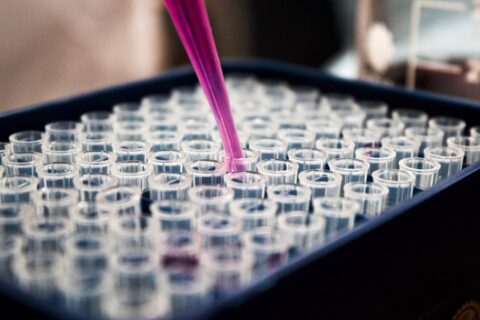
Once a target is identified, the next step is hit identification. This involves screening thousands of compounds to find those that interact effectively with the target. High-throughput screening technologies have revolutionized this phase, allowing researchers to test numerous compounds simultaneously. The goal is to find “hits” that demonstrate the desired biological activity.
Following hit identification, the focus shifts to lead optimization. In this phase, chemists modify the chemical structure of the hits to improve their efficacy, selectivity, and safety profile. Lead compounds undergo rigorous testing to evaluate their pharmacokinetics (how the body absorbs, distributes, metabolizes, and excretes the drug) and pharmacodynamics (the effects of the drug on the body). This iterative process is vital, as it helps to refine compounds before they enter preclinical testing.
Preclinical testing is a critical juncture in the drug discovery process. It involves extensive laboratory and animal studies to assess the safety and biological activity of the lead compounds. This phase aims to identify any potential toxic effects and to gather data that will support the transition to human trials. Regulatory agencies require comprehensive preclinical data before granting approval for clinical trials.
Once preclinical testing is complete and the data is favorable, the drug moves into clinical trials. These trials are conducted in phases, starting with small groups of healthy volunteers and gradually expanding to larger populations of patients. Each phase is designed to answer specific questions about the drug’s safety, effectiveness, and optimal dosing. The success of clinical trials is paramount, as it determines whether the drug can be approved for public use.
Finally, if a drug successfully navigates the clinical trial phases, it can be submitted for regulatory approval. This process involves a thorough review of all data collected during the drug discovery and development phases. If approved, the drug enters the market, providing new treatment options for patients.
In conclusion, drug discovery is an essential process that requires collaboration across various scientific disciplines. From initial target identification to regulatory approval, each step plays a pivotal role in bringing new therapies to the market. For more detailed information on the drug discovery process, consider visiting Drug discovery resources that can provide further insights into this vital field. Understanding this journey not only highlights the challenges faced by researchers but also underscores the significance of innovation in medicine.