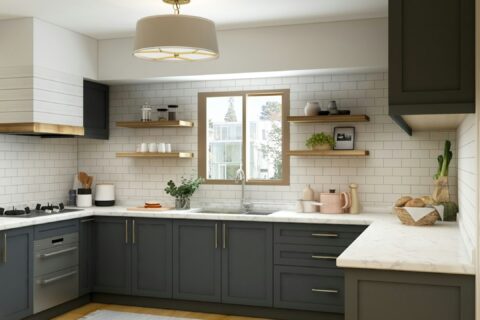
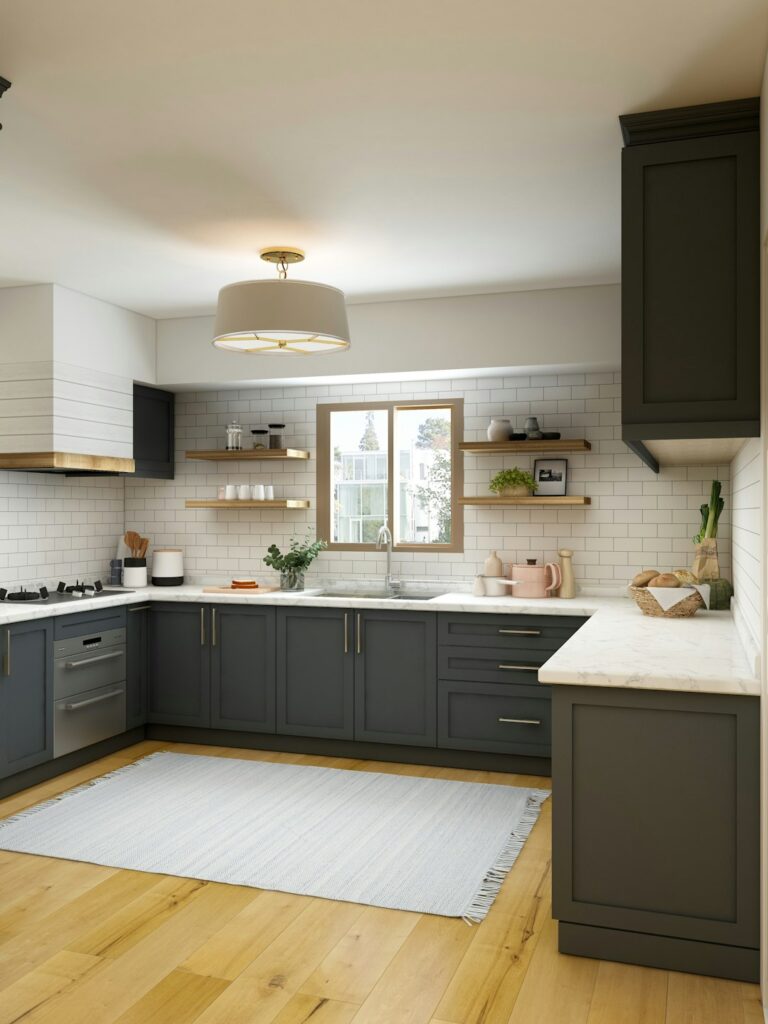
Walking into a cluttered kitchen can quickly overwhelm anyone. The instinct might be to tear everything out and start from scratch. But that’s often unnecessary. A common misconception is that a modern kitchen requires a large footprint and costly materials. In reality, smart design can transform even tight spaces. Skilled designers use layouts that enhance workflow and storage solutions that keep essentials within reach. It’s not about size or price tags; it’s about making the kitchen work for you. Simple tweaks like adding pull-out shelves or vertical dividers can make a huge difference in daily use.
There’s a persistent myth that only custom cabinetry delivers a luxe look. Custom cabinets do offer flexibility, but they aren’t the only path to style. High-density fiberboard (HDF) paint-grade cabinets, for instance, combine durability with a clean finish at a fraction of the cost of solid wood. These options come ready-made and can be tailored with hardware or finishes to suit various aesthetics. It’s worth checking samples and testing finishes in your kitchen lighting before committing, since colors can shift from showroom to home.
Some homeowners avoid stained wood cabinetry because they think it limits the design choices. That’s not true. Stain-grade wood can come in a range of hues and grains, from light oak to deep walnut, allowing for warmth and character without locking you into one style. These finishes pair well with both traditional and modern elements, giving you room to experiment with backsplashes, countertops, and flooring. A common misstep is failing to consider how lighting affects wood tones; natural light can bring out different undertones throughout the day.
Polymer doors get dismissed by some as cheap substitutes for wood, but they have practical benefits worth considering. Resistant to moisture and easy to clean, polymer is especially useful in humid environments or busy kitchens where spills happen often. Available in numerous colors and textures, these doors can mimic wood grain or present a sleek, solid surface. Their low maintenance needs mean less worry about warping or staining. That reliability makes them popular among households juggling cooking with active routines.
Renovating a kitchen often feels like it will derail daily life for weeks. This expectation causes unnecessary stress. Experienced kitchen designers map out detailed timelines and coordinate tradespeople to minimize downtime. They also advise clients on staging meals or setting up temporary kitchen zones during construction. Communication is key, regular updates prevent surprises and keep everyone aligned on progress. Homeowners who prepare for brief inconveniences tend to find the disruption manageable.
Working with an experienced kitchen designer can clear up many misunderstandings. Designers bring knowledge about materials, layouts, and current trends but also listen closely to how you live in your space. They’ll suggest practical modifications that fit your habits without sacrificing style. For example, they might recommend soft-close drawers to reduce noise or install task lighting under cabinets for better visibility. These small details add up to a kitchen that feels tailor-made.
Scheduling meetings during agreed working hours matters more than many realize. Dropping by unannounced can disrupt planning and reduce the time available for thoughtful discussion. Designers often juggle multiple projects and need focused sessions to go over drawings or samples thoroughly. Setting appointments ensures you both have dedicated time to hash out ideas without rushing. Clear communication during these meetings helps avoid misinterpretations that could lead to costly changes later.
Incorporate these practical insights into your kitchen remodel plans. Avoid rushing decisions or falling for myths that inflate budgets unnecessarily. Instead, focus on what suits your lifestyle and space constraints. If you want guidance on how to approach your project step-by-step, consider reaching out for advice on kitchen remodeling timelines. Understanding the process makes it easier to stay on track and get the results you want.