
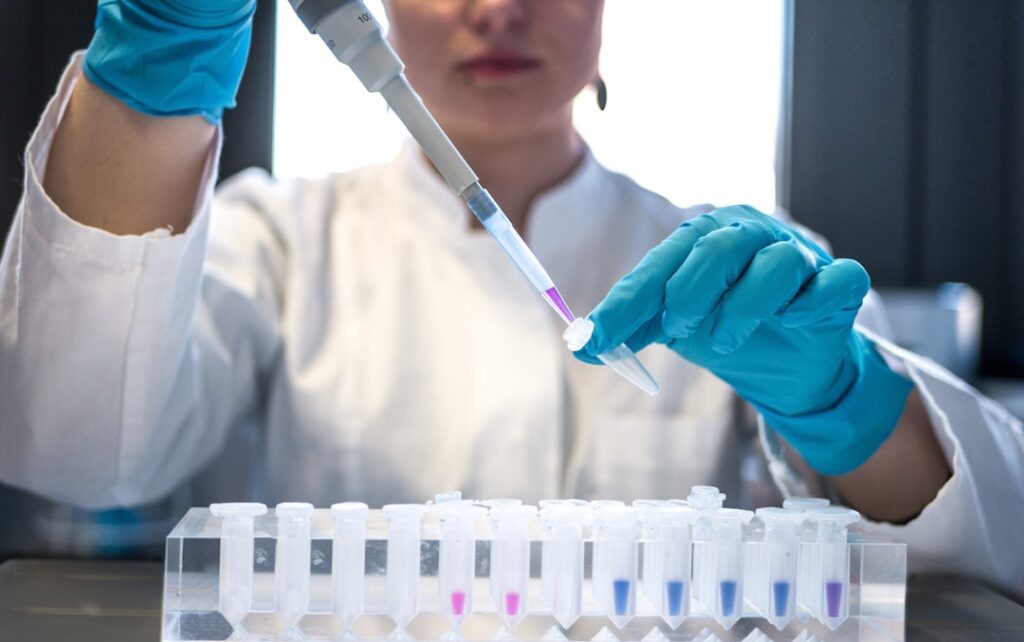
A biotech startup in the UK might have a promising drug candidate, but transitioning from lab research to clinical trials is a tough step. That’s where a preclinical contract research organisation (CRO) can be invaluable. These organisations handle a range of tasks that ensure a drug is safe and effective before it reaches human testing. They don’t just run animal tests; their work covers much more ground.
For example, pharmacokinetic studies are essential. These tests show how the body absorbs, distributes, metabolises, and eliminates a drug. A drug’s behaviour in animal models helps shape dosing and frequency in human trials.
Sometimes companies underestimate how crucial this data is for making clinical decisions. A reliable preclinical UK CRO will have established protocols and quality controls to deliver accurate results that regulators expect.
Toxicology testing is another major part of the equation. Acute and chronic toxicity studies identify potential harmful effects a drug might cause over different timeframes. It’s common for teams to overlook the value of repeat-dose toxicity tests until late in development, but catching safety issues early saves time and money. CROs typically follow internationally recognised guidelines to assess adverse effects thoroughly, which supports approvals from agencies like the MHRA.
Formulation development often doesn’t get enough attention either. Once a candidate compound is chosen, it needs to be made into a form suitable for administration in trials, whether that’s tablets, injections, or even advanced delivery methods like nanoparticles. CRO scientists often improve stability and bioavailability through formulation tweaks, preventing problems like degradation or poor absorption that can delay progress.
They’ll also keep detailed batch records to avoid mix-ups during scale-up.
Regulatory compliance can trip up emerging drug developers. Small firms sometimes submit incomplete or inconsistent data to regulators, causing delays. Experienced CRO staff help clients compile clear, well-organised dossiers for Investigational New Drug applications and other submissions. They’re familiar with MHRA expectations and can flag documentation gaps early on, reducing back-and-forth later.
Outsourcing preclinical work to a UK CRO lets companies focus on their core strengths without getting bogged down in regulatory or technical hurdles. It’s common for startups to struggle balancing lab work with study management. Having a partner handle study design, data collection, and reporting means fewer headaches and smoother timelines.
It pays to understand the range of services available.
From pharmacokinetics and toxicology through formulation and regulatory consulting, these offerings shape the path to clinical trials. Knowing what each service entails helps businesses plan budgets and schedules realistically. For instance, scheduling early meetings with CRO project managers often uncovers overlooked requirements that save costly rework.
Good communication with a preclinical CRO is key. Misunderstandings about study endpoints or sample handling can cause delays or invalid results. Regular updates and clear documentation practices help prevent these issues. Many CROs use electronic lab notebooks accessible to clients, providing transparency during studies.
If you’re weighing options for drug development support, consider how a provider fits your needs. Choosing the right partner means tapping into expertise that can accelerate your project while helping you meet regulatory demands efficiently.