
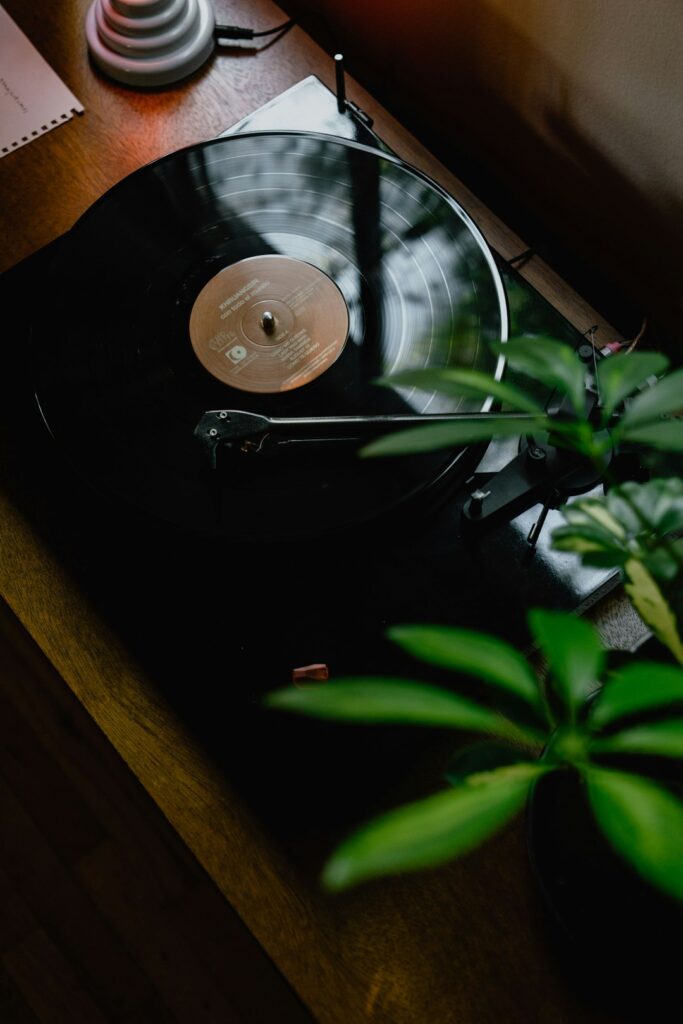
Vinyl music stores have experienced a remarkable resurgence in recent years, as music enthusiasts rediscover the warmth and character of analog sound. Once considered a fading relic of the past, vinyl records have reclaimed a prominent place in the hearts of both seasoned collectors and newcomers alike. This revival has transformed record stores into vibrant cultural spaces that celebrate both music history and listening as a tactile experience.
For many, the appeal of vinyl lies in its physicality. Unlike digital formats, vinyl records require deliberate interaction. You pull the album from a sleeve, place it on a turntable, and lower the needle to hear the music. That act alone creates a ritual that digital streaming cannot replicate. As a result, vinyl music stores serve as more than just retail outlets—they are spaces where people connect with music in a more intentional and sensory-rich way. Browsing through rows of album covers, flipping through crates, and chatting with knowledgeable staff adds to the immersive experience.
This renewed interest in vinyl has also led to an increased appreciation for album artistry. Cover designs, liner notes, and even the feel of the vinyl itself contribute to a form of storytelling that extends beyond the music. Artists and record labels have responded by producing limited editions, colored vinyl, and reissues of classic albums, all of which find their way to the shelves of vinyl music stores across North America. These special releases not only attract collectors but also help preserve musical heritage for new generations.
The demographic shift among vinyl buyers is another interesting trend. While older generations may be drawn to vinyl for nostalgic reasons, younger listeners are driving much of the market growth. Millennials and Gen Z audiences often cite superior sound quality and a desire for tangible media as motivations for buying records. This cross-generational appeal has helped vinyl music stores thrive in an era dominated by digital consumption.
The role of vinyl stores extends beyond commerce. Many host in-store performances, listening parties, and community events, reinforcing their place as cultural hubs. These gatherings foster a sense of belonging among music lovers who prefer analog formats. They also offer a chance for local artists to gain exposure and connect with audiences in an intimate setting. In a time when algorithm-driven playlists dominate, these physical spaces offer a refreshing alternative rooted in personal connection and discovery.
Another factor contributing to the vitality of vinyl record shops is the growing importance of curation. Unlike the endless sprawl of digital libraries, curated selections in a record store reflect the tastes and expertise of the staff. This human touch helps guide customers to new discoveries, whether it’s a rare jazz pressing or an overlooked indie gem. For serious collectors and casual listeners alike, this personalized approach adds value and depth to the shopping experience.
Online platforms have also played a complementary role. Many vinyl stores now maintain a digital presence, allowing them to reach customers beyond their physical locations. This hybrid model ensures broader accessibility while preserving the unique in-store atmosphere. For example, those looking to explore a carefully selected catalog of vinyl offerings can browse through independent record collections online without losing the sense of curation and quality that defines the brick-and-mortar experience.
Despite the convenience of streaming services, the enduring popularity of vinyl music stores is a testament to the value of physical media in a digital world. They offer not just products but experiences—spaces where music is more than background noise, where albums are collected and cherished, and where the act of listening becomes a meaningful ritual. As long as there are those who seek out authenticity, craftsmanship, and community in their musical journey, vinyl stores will continue to thrive.