
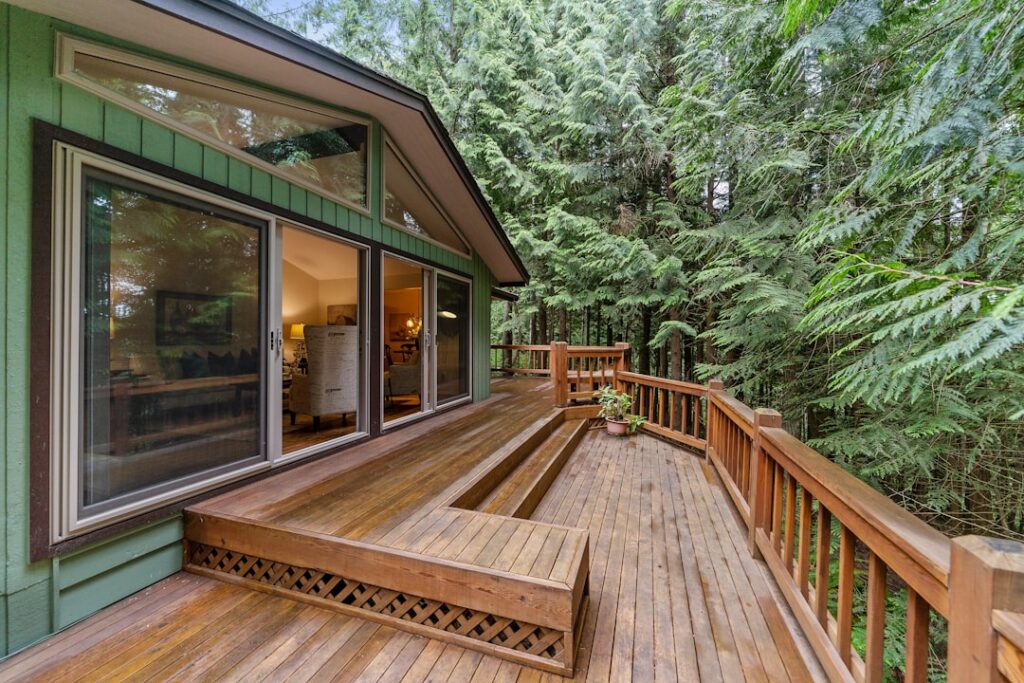

A big mistake is skipping proper surface prep. If the deck isn’t clean, dry, and free of dust or old paint, the membrane won’t stick well. For example, leftover paint or sealant can trap moisture beneath the membrane, causing it to peel off later. Before starting, make sure to sweep thoroughly, remove any loose debris, and let the wood dry fully. I’ve seen projects fail because the surface was still damp from morning dew.
Applying membranes in unsuitable weather is another common trap. Cold temperatures slow curing, while high humidity can interfere with adhesion. Always check the product instructions for temperature and moisture limits before working. If it’s raining or below recommended temps, put the job on hold. Some contractors rush this step, thinking they can fix it later, but that usually means more damage and repairs.
Choosing between liquid and sheet membranes requires thought. Liquid membranes offer flexibility and form tight seals over curves and corners without seams. On the other hand, sheet membranes might seem easier to install but demand careful handling to avoid folds or gaps. Any wrinkles create weak points where water can seep through. I’ve noticed that installers unfamiliar with sheets often fail to overlap edges properly, compromising protection.
During application, thickness matters. Too thin a coat won’t block water effectively; too thick can cause puddles that don’t drain and invite damage. Follow manufacturer guidelines closely and take your time to cover every inch evenly. Rushing leads to missed spots or uneven layers that reduce lifespan. In one project, a contractor skimped on material and ended up redoing half the deck within a year.
After installation, maintenance is often ignored until problems appear. Regular inspections catch small tears or wear before they worsen. Clearing leaves and dirt prevents trapped moisture that eats away at the membrane. I recommend setting a schedule to check your deck every few months, especially after storms. It’s a simple habit that can save thousands in repairs.
If you want reliable protection, consider using a deck waterproofing membrane. These products are designed for easy application and strong resistance to water damage. They help your deck last through wet seasons without constant upkeep.
Don’t forget climate when picking materials. Areas with heavy rain or snow need membranes built to handle more moisture and freeze-thaw cycles without cracking. Knowing how different membranes perform under your local conditions helps you avoid premature failures.
For detailed product options and support, visit membrane products for decks. Investing in quality materials and careful installation upfront will protect your deck from costly water damage down the line.