
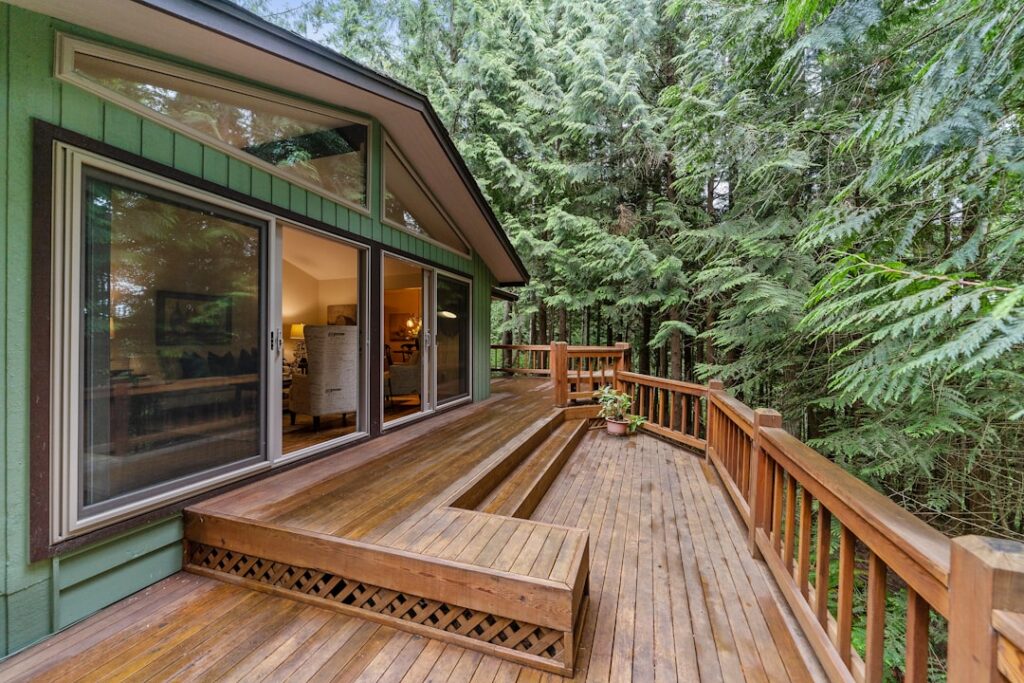

Consider an outdoor café where the owner invested in a lovely deck to attract customers during warmer months. After just a few heavy rains, water spots and swelling appear because the sealer used wasn’t made for heavy foot traffic or wet conditions. Sealers vary in toughness, so picking one meant for high-traffic areas is key. It should balance durability with appearance, standing up to weather and constant use without peeling or staining.
Deck sealers generally fall into two categories: oil-based and water-based. Oil-based sealers soak deep into the wood grain, providing strong moisture resistance and enriching natural tones. They tend to take longer to dry and can emit stronger odors during application. Water-based options dry faster and have lower toxicity, making them better for places where smell is a concern, like near dining areas. Both types have trade-offs depending on your deck’s exposure and how much maintenance you’re willing to do.
Speaking of upkeep, oil-based sealers often need reapplication every year or two because foot traffic and weather wear them down. Some newer formulas can stretch that interval to three years or more, but it’s wise to check your product’s label for specific guidance. Keeping a maintenance schedule prevents damage from sneaking up and saves you from expensive repairs later. Also, cleaning the deck thoroughly before resealing is often overlooked but critical to ensure good adhesion.
Proper application matters as much as the product itself. A clean, sanded surface allows sealers to stick evenly without blotches or peeling patches. For larger decks, using a sprayer speeds up the job and avoids brush marks, though smaller areas might be easier with a roller or brush for control. Applying sealers on a dry day with temperatures between 50 and 90 degrees Fahrenheit generally produces the best results.
If you’re protecting an outdoor space where customers gather, investing time in researching products pays off. Check out options like best wood deck sealer that match your climate, traffic level, and how you want your deck to look. Talking to local contractors or reading user reviews can also help pinpoint what lasts longest in your area’s weather.
New sealing technologies keep appearing, offering easier application and longer life spans. Watching industry forums or trade publications can clue you in on promising new products before they become common knowledge. It’s not unusual for some sealers to combine UV blockers with mildew inhibitors for broader protection, which might be worth the extra cost depending on your location.
Maintaining a wood deck is ongoing work but protects your investment from fading colors, splintering boards, and water damage. Avoid rushing through preparation or ignoring small cracks, they often lead to bigger problems down the road. Regular inspections combined with timely resealing can keep your outdoor area looking sharp and welcoming throughout every season. For detailed advice on preserving wooden surfaces, visit wood deck maintenance tips.