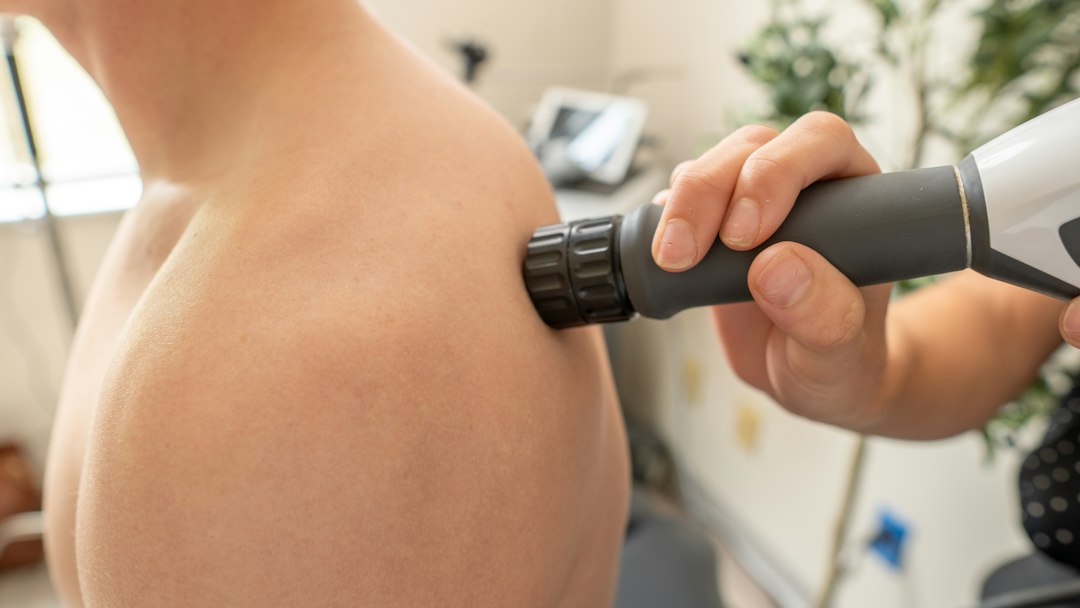


The first consultation should be more than a painful spot being rubbed or a generic exercise sheet being handed over. The clinician may examine spinal movement, hip mobility, muscle strength, reflexes, and how symptoms change with different positions. They will also ask about work, sleep, previous injuries, stress, and daily routines. This wider process is called a clinical assessment: gathering clues to distinguish a local strain from nerve-related symptoms or another problem requiring medical review. For example, pain travelling below the knee with tingling may need a different plan from aching that stays around the lower back.
A second common mistake is assuming that the most painful area is always the source of the problem. Referred pain occurs when a problem in one region is felt somewhere else, such as discomfort in the buttock linked to irritated spinal structures. Nerve sensitivity is different again: a nerve can become more reactive, producing burning, pins and needles, or pain with certain positions. These terms do not automatically indicate serious damage, but they help guide safe testing and treatment. A careful practitioner should explain what the findings may mean without making frightening or overly certain predictions.
Consider someone who spends long shifts standing, then rests on the sofa all weekend because their back feels tight. Complete rest may reduce discomfort briefly, but it can also make ordinary movements feel unfamiliar and demanding. A better plan may use graded exposure, meaning a gradual return to tasks in manageable steps. The person might begin with short walks, gentle hip movements, and brief periods of standing, then increase duration as confidence and tolerance improve. Load tolerance describes how much activity the body can handle before symptoms rise, and it can be developed steadily rather than tested through one exhausting session.
Exercise selection should match the person, not a fashionable routine. Motor control refers to how the nervous system coordinates muscles during movement. If bending feels awkward, treatment might focus on controlled hip movement, trunk endurance, or practising a lighter version of the task that caused the pain. The aim is not to keep the spine rigid all day. It is to build confidence in useful movement while monitoring response over the following hours. A modest temporary increase in symptoms may be acceptable in some plans, but worsening pain that persists should prompt a review of the programme.
Hands-on treatment, including massage where appropriate, may help someone relax guarded muscles or move more comfortably, but it should support active rehabilitation rather than replace it. This is where werribee rehabilitation support can fit into a broader plan involving education, movement practice, and practical changes. A desk worker, for instance, may benefit from alternating positions and taking brief movement breaks, while a tradesperson may need advice on lifting technique, pacing, and sharing heavier loads. The useful question is not whether one technique is superior, but whether it helps the person resume valued activities safely.
Seek prompt medical advice if back pain follows major trauma or comes with new bladder or bowel difficulty, numbness around the saddle area, progressive leg weakness, fever, or unexplained illness. Otherwise, persistent or recurring symptoms still deserve a thoughtful assessment rather than repeated guesswork. Keep a simple record of aggravating activities, easing positions, sleep quality, and walking tolerance to discuss at the appointment. The better approach is collaborative: understand the likely contributors, choose achievable steps, review the response, and adjust the plan as function improves. That turns back care from avoidance into a measured return to everyday life.