
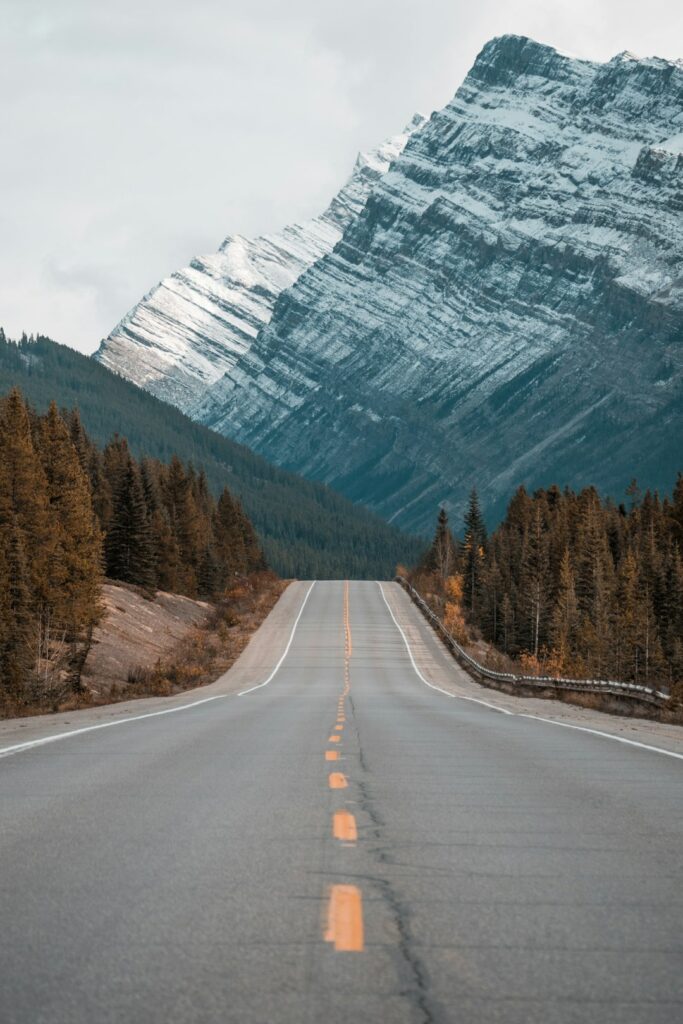
Riding along New Zealand’s South Island offers some of the most stunning coastal views you’ll find anywhere. The fresh air, winding roads, and open stretches create an unbeatable sense of freedom. But the island’s remoteness and ever-changing weather can quickly turn a great ride into a tough test. Rain can roll in fast, and mobile signals vanish in some stretches. A smart rider plans for these variables to avoid frustration and keep the focus on the ride.
Fuel stops demand attention. Distances between stations can be surprisingly long, especially on routes like Queenstown to Milford Sound. It’s easy to misjudge how far you can go without refueling. Filling up whenever possible is a habit worth developing. Carrying extra fuel safely stored in a container is wise, especially if you’re unsure about available services ahead. Running dry in a remote area isn’t just inconvenient; it could become dangerous.
Booking accommodation ahead saves hassle, particularly during busy seasons. Towns such as Franz Josef and Wanaka fill up fast with tourists chasing the same scenic experiences. Showing up without lodging plans risks wasting daylight searching for rooms or settling for less comfortable options. Reserving places early lets you rest well and gives you time to enjoy your stops without stress.
The island’s terrain varies wildly. Expect everything from steep mountain passes to calm lakeside roads and rolling green hills. Weather shifts affect road safety, too. For example, after heavy rain or snowfall, roads like Haast Pass may be slippery or blocked. Checking local weather updates and road conditions before heading out helps avoid surprises. Local visitor centers and transport departments often provide timely alerts worth consulting.
Gear matters more than many riders realize. Quality waterproof jackets, thermal layers, and good gloves make rides in cool or wet conditions manageable. The temperature can drop quickly at higher altitudes, so layering is practical. Solid boots that grip well improve control and comfort over rough surfaces. Taking time to prepare your kit reduces fatigue and keeps you safer on long days.
Technology can be a great ally on these trips. Offline navigation apps designed for motorcyclists help when signals fail. They often include points of interest like hidden lookouts or local cafés off the beaten path. Such apps encourage detours you wouldn’t find otherwise, turning a simple ride into a richer experience. Before you leave, download maps and check battery backups to stay powered through the day.
Planning your route carefully while leaving space for spontaneous detours is key. For instance, diverting through Arthur’s Pass or stopping at a small café in Akaroa can add memorable moments that no guidebook lists. These spontaneous choices often become the highlights of your journey, offering unexpected views or local encounters.
For riders wanting a structured adventure, consider an nz south island road trip. These guided tours focus on routes that offer dramatic scenery and come with support that eases logistics. They can introduce you to roads and spots off the typical tourist trail, making the ride both challenging and rewarding.
Before setting off, make a checklist that includes checking tire pressure, oil levels, and brake function, routine but often overlooked steps that prevent breakdowns. Carry printed copies of your route and emergency contacts since phones might not always work. Being prepared with practical knowledge and flexibility turns your South Island motorcycle trip into an adventure worth repeating.