

Barcode scanners come in several forms tailored to different needs. Handheld scanners are the go-to choice for cashiers because they’re lightweight and easy to operate across a register counter. Fixed scanners, which sit in place, work well at self-service kiosks where customers scan their own items. For larger spaces like warehouses, mobile scanners connected via Wi-Fi let staff check stock from anywhere on the floor. Selecting the right scanner means understanding your daily workflow and how often items need scanning.
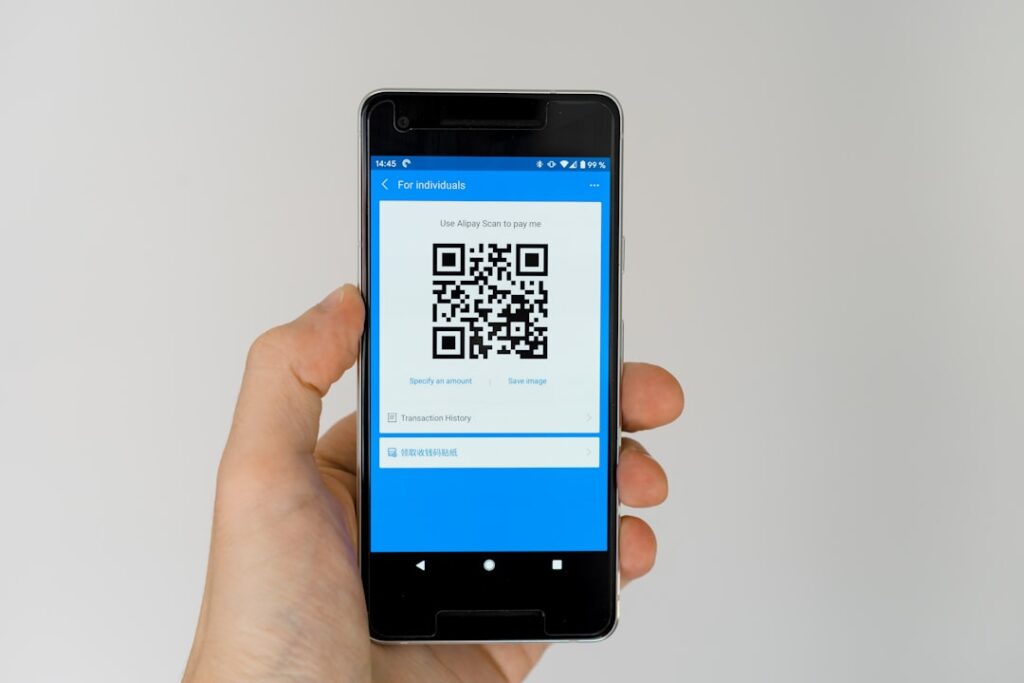
The technical side of barcodes involves more than just black and white stripes. These lines encode numbers or letters that inventory software reads instantly during scans. Popular formats include UPC codes seen on most retail goods, EAN codes common internationally, and QR codes, which hold more complex information and can be scanned by smartphones. Knowing which barcode type fits your products and sales channels helps maintain smooth data flow.
Take a small business owner selling handmade goods online, for example. Tracking stock across multiple platforms can get messy fast. Creating unique barcodes with a barcode generator means each item has an identifier that syncs with inventory lists automatically. This cuts down on mistakes when packing orders and saves hours of manual checking. It also means the owner can spot which items sell best and reorder before running out.
Warehouse managers face daily pressure to ship the right products on time. Using barcode scanners linked directly to inventory software makes it simple to verify items during packing. Scanning each product confirms it matches the order, reducing costly errors like sending wrong sizes or colors. A quick scan before loading trucks acts as a final check that can prevent customer complaints and returns.
Barcodes aren’t just about tracking products, they generate useful data over time. By reviewing sales trends and turnover rates from scanned barcodes, businesses can adjust stock levels wisely. For instance, seasonal products might need higher quantities in certain months but less storage space otherwise. Access to real-time inventory data helps avoid both overstock and stockouts, keeping cash flow steady and customers happy.
If you’re considering adding or upgrading your barcode system, check out available barcode generator tools suited to different business scales. Many options offer user-friendly interfaces for creating barcode labels without specialized training. Having a reliable generator paired with appropriate scanners can make your inventory management less stressful and more accurate.
One practical habit is keeping a printed inventory checklist updated alongside barcode scanning. This physical record helps catch discrepancies that sometimes occur due to damaged labels or technical glitches. Regularly inspecting labels before shipping or stocking prevents downtime caused by rescanning or relabeling.
For further details on improving your product tracking and checkout efficiency, visit retail inventory management tips. These resources provide actionable advice tailored to small and medium businesses looking to tighten their operations.