
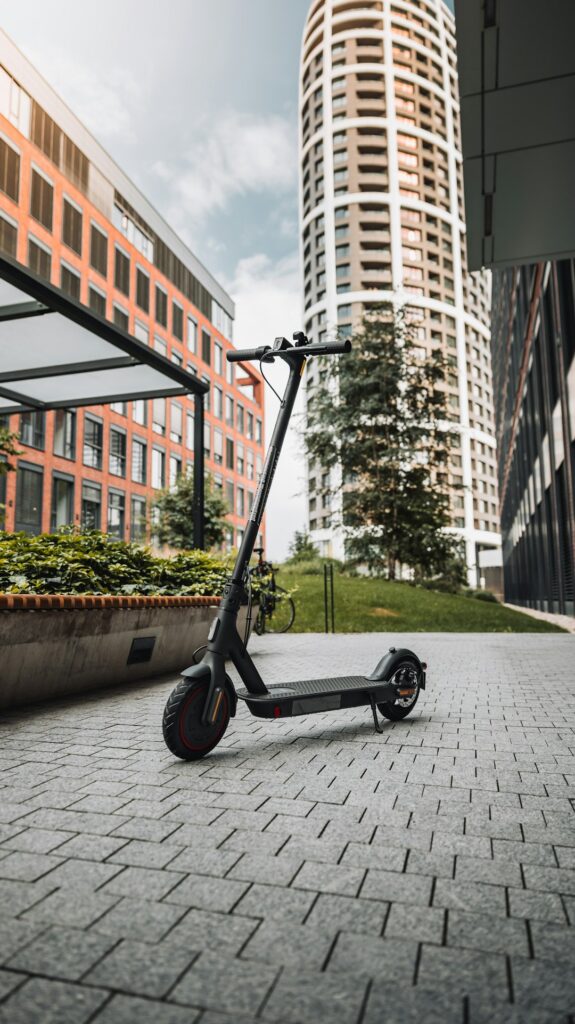
Picture a local on the Gold Coast struggling to get around crowded streets due to mobility issues. They decide to try a mobility scooter, hoping for more independence, but quickly run into problems. The scooter’s battery dies too fast, and the seat is uncomfortable. This kind of experience is common when people pick scooters without matching features to their needs.
One frequent mistake is ignoring key specs like weight capacity and turning radius. A scooter built for outdoor use won’t handle tight indoor spaces well. It helps to talk with knowledgeable providers who can explain which models suit specific lifestyles and environments. They’ll point out details such as whether the scooter’s frame fits through standard doorways or if it handles curbs smoothly.
Range anxiety is another real concern. Scooters vary widely in battery life, affecting how far they can go before needing a recharge. Knowing your usual travel distances matters more than the advertised maximum range. For instance, if you run errands that take several hours, a scooter with a larger battery or removable packs can keep you moving longer without interruptions.
Comfort is often overlooked until it becomes a problem. Some users rent scooters to test them first, which is smart. Seat design, cushioning, and adjustability make a big difference when you’re sitting for extended periods. An adjustable backrest or armrests can reduce fatigue during outings. Testing different models before buying saves frustration later.
Technical specs like top speed and weight limits affect safety and usability. Scooters with multiple speed settings let users adjust pace depending on location and confidence level. Carrying capacity matters too; exceeding limits puts strain on motors and batteries, leading to breakdowns. Small add-ons such as storage baskets or cup holders might seem minor but add convenience for daily trips.
If you want hands-on experience, hiring disability mobility scooters offers a practical way to try various options without commitment. This trial period lets users check if the scooter fits their routine and comfort needs. It’s common to discover preferences about controls or seating only after real use, so renting first can prevent costly mistakes.
Choosing where to rent or buy from matters too. Trusted providers maintain their scooters regularly, ensuring they’re safe and reliable. Staff with practical knowledge can answer questions about maintenance schedules or repairing common issues like flat tires or loose wiring connections. Having access to ongoing support avoids downtime and keeps users mobile.
Maintenance is often neglected but vital. Simple habits like charging batteries fully before storage and cleaning wheels after outdoor use extend scooter life. Keeping a logbook of service dates and noting unusual noises helps catch problems early. Also, familiarising yourself with user manuals prevents misuse of controls or accessories.
For detailed information about available models and support options, check out mobility equipment rental services. Finding the right scooter is a process that pays off with greater freedom and less hassle.