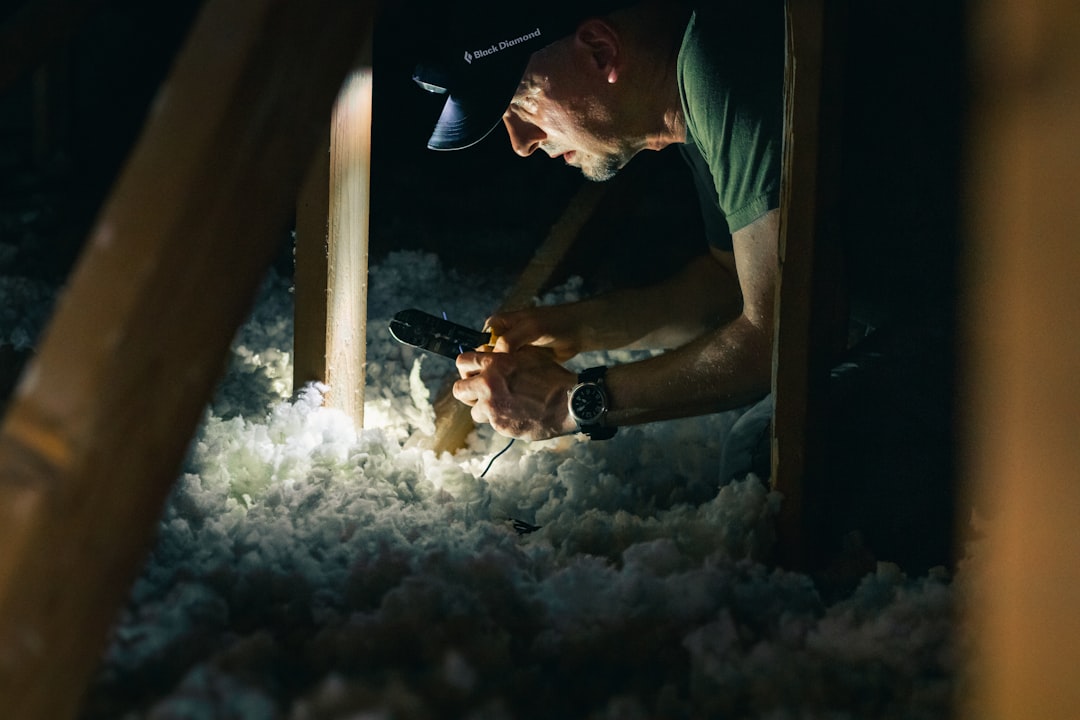

Planning electrical systems for a new building is often tougher than it looks. If you own a business and want to build or renovate, turning your ideas into exact electrical plans takes more than guesswork. For example, fitting wiring and lighting inside a commercial space means carefully syncing those plans with the architectural layout. Every detail matters: where the switches go, how wires run, and how lighting complements natural sources. Overlooking these can lead to costly fixes later.
A typical project might start with a site visit to check existing conditions and spot any hurdles. Professionals then draft detailed blueprints that combine architectural design with electrical schematics. These papers aren’t just drawings , they form the basis for permits and contractor instructions. A common snag is misreading local building codes, which can delay approvals. That’s why the team must be familiar with local rules and include everything required in the paperwork.
3D modelling brings a practical edge to electrical drafting. With realistic renderings, clients see how lights, outlets, and panels fit into their spaces before construction begins. For instance, a model might reveal that a beam blocks where ceiling lights should go or show how daylight affects artificial lighting choices. This hands-on view helps avoid design clashes that only appear after installation.
Working with specialists in electrical drafting services ensures coordination across all technical details. These experts double-check wiring routes, panel placements, and compliance with energy codes. They also factor in aesthetics, like hiding conduits or choosing fixtures that suit the building’s style. One practical tip is keeping wiring diagrams updated whenever plans change; failure to do so often causes confusion on site.
Securing permits is a step that can stall projects if overlooked. Experienced drafters know what city or county offices require and prepare all forms and supporting documents accordingly. They often follow up personally to address questions from inspectors or planners. This proactive approach saves weeks by preventing back-and-forth corrections. It’s also common for teams to pre-check drawings against the latest code updates to avoid surprises during reviews.
Value engineering helps cut costs without cutting corners. By reviewing material options and installation methods, drafters suggest alternatives that meet safety and performance standards but cost less. For example, swapping certain cable types or using modular panels can reduce expenses. Good drafting teams work closely with contractors to find these adjustments early, preventing last-minute budget overruns.
Large projects sometimes involve urban design considerations too. Here, planners evaluate how the electrical setup fits into the broader environment, like coordinating street lighting or ensuring underground utilities don’t interfere with landscaping plans. Thoughtful integration improves functionality and community acceptance.
As-built plans document every change made during construction, capturing real-world conditions rather than just the original drawings. These records are vital for future maintenance or expansions. A habit among seasoned teams is conducting on-site verification walks to update as-built documents immediately after installation phases, minimizing errors.
Finally, clear communication throughout the project is key. A dedicated office team manages updates between designers, contractors, and clients. Regular progress reports and quick responses to questions keep everyone aligned and reduce costly misunderstandings. Maintaining a single point of contact often prevents miscommunication that leads to rework or delays.
If you want your project to move smoothly from concept through completion, working with architectural design and drafting professionals who focus on practical details makes a difference. Their combined technical knowledge and real-world experience bring your vision into reality without surprises along the way. Consider reaching out to those who offer tailored advice based on your specific project challenges and goals.electrical layout planning tips