
The first step after suspecting an ACL injury is getting a clear diagnosis. Doctors generally start with a physical exam, checking knee stability and pain points. MRI scans are common to see the extent of ligament tears or any cartilage damage. A precise diagnosis guides your rehab plan. Time matters here; delaying treatment can lead to muscle atrophy or worsen instability. Don’t skip this stage or rush into exercises without professional advice.
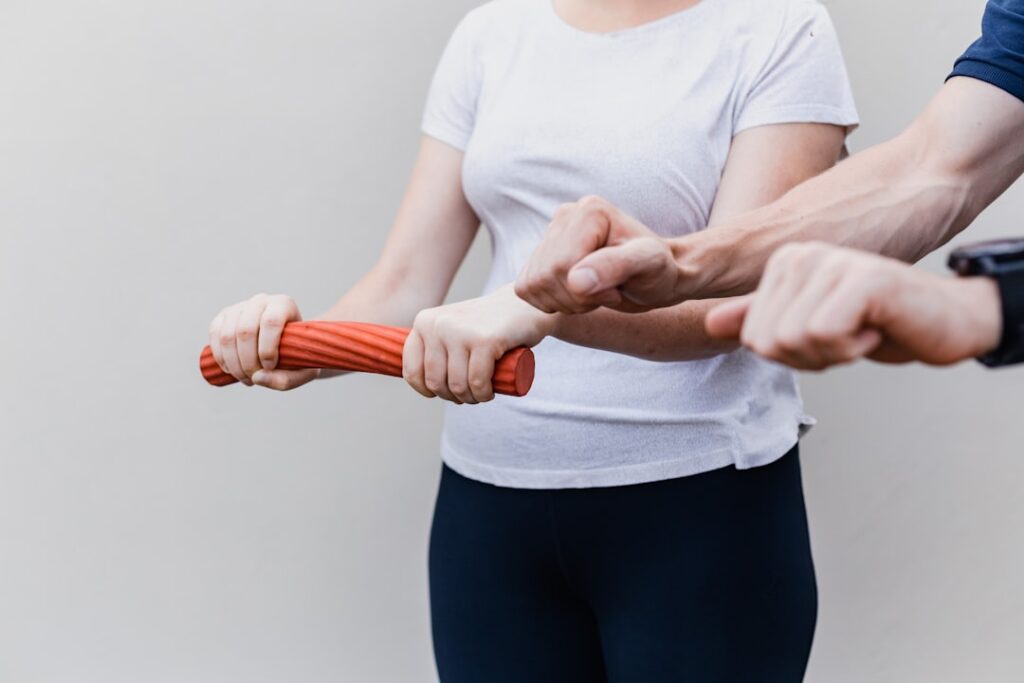
Rehab usually starts with gentle strengthening exercises targeting the quadriceps and hamstrings. These muscles control knee movement and protect the ACL from excessive strain. For example, straight leg raises and controlled leg extensions help build strength while keeping strain low. It’s normal to struggle with swelling or stiffness early on, so ice and compression are standard parts of the routine. Progressing too quickly can cause setbacks, so patience is key.
Balance training is often overlooked but critical for recovery. Using balance boards or practicing single-leg stands helps retrain your proprioception, which is how your body senses joint position. This skill is vital because poor proprioception increases the chance of re-injury when you return to sports. Incorporating this into rehab aids your knee’s coordination and reflexes, helping you adjust quickly to uneven surfaces or sudden movements.
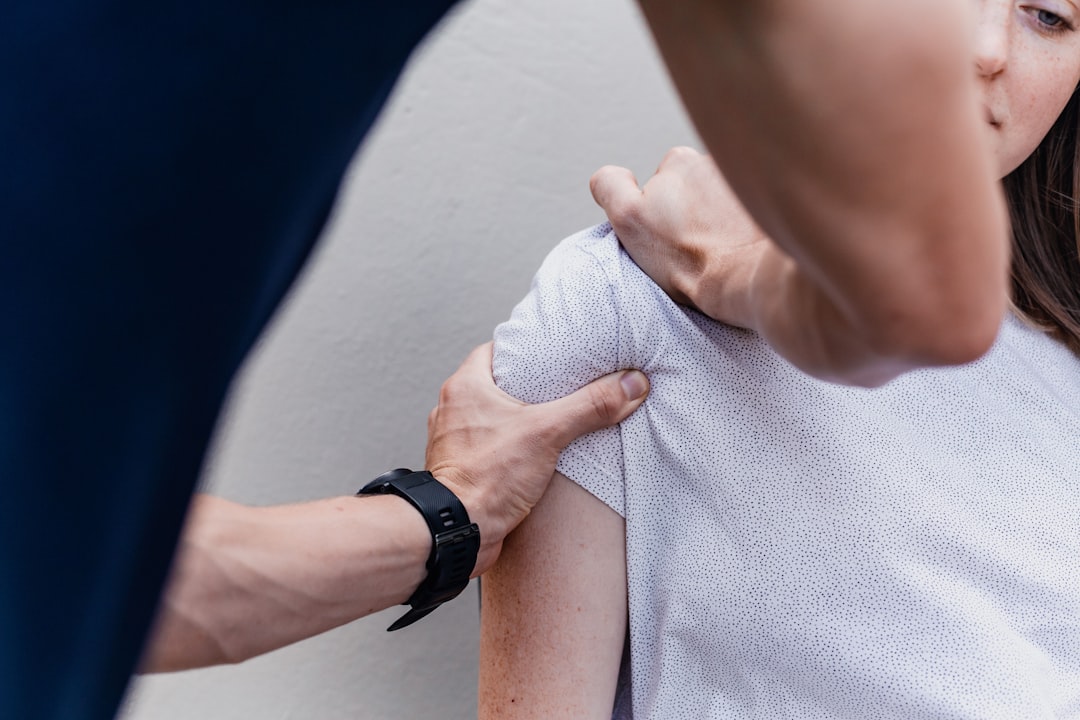
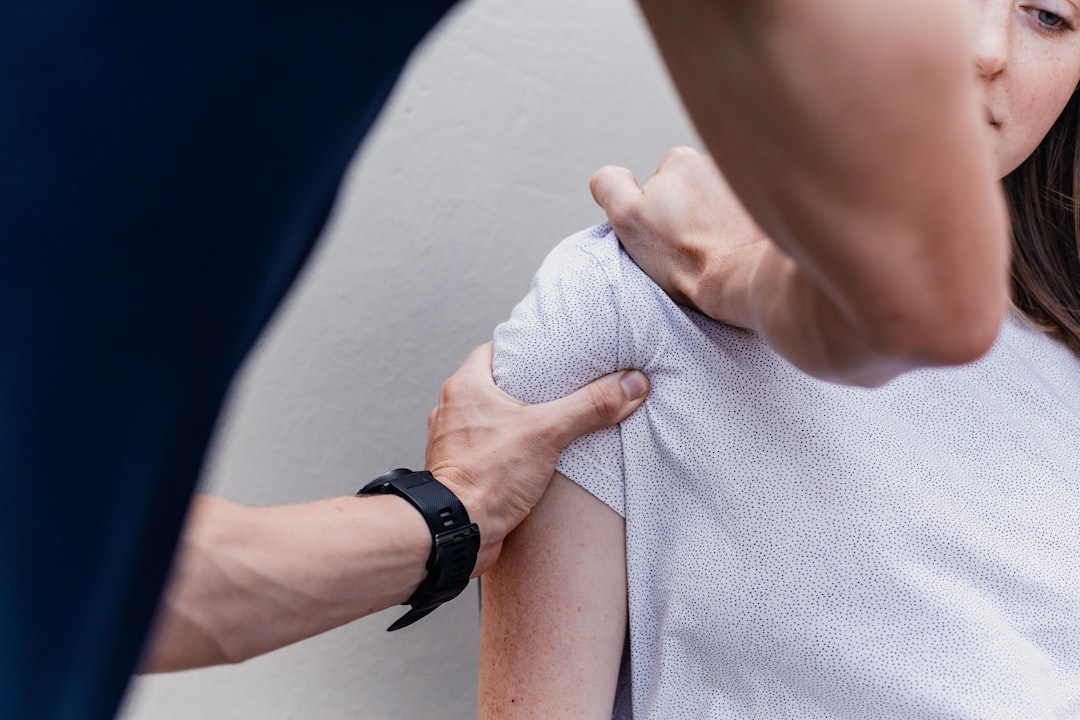
Working with experienced professionals makes a difference. Sydney has specialised clinics focusing on ACL rehab where surgeons and physiotherapists collaborate closely. For example, consulting an acl physio sydney offers access to tailored programs based on your injury type and lifestyle demands. These experts monitor everything from swelling levels to muscle imbalances, adjusting exercises as needed, which reduces frustration and speeds up recovery.
Rehab isn’t static. You’ll have regular check-ins to evaluate progress and tweak your program. Toward the end, therapists often introduce sport-specific drills that mimic the demands of running, jumping, or cutting movements. This phase tests both physical readiness and mental confidence, which many underestimate. Getting comfortable with these drills under supervision reduces anxiety about returning to competition and helps prevent rushing back too soon.
Once you’ve rebuilt enough strength and control, transitioning back into sports requires caution. Supervised practice sessions let you test your limits safely while coaches or therapists watch for compensations or pain signals. Joining local clubs during this stage offers social support and motivation, which can benefit mental recovery just as much as physical. It’s common for athletes to feel frustrated by slow progress but sticking with these gradual steps pays off.
Preventing another ACL injury means continuing some form of strength and balance work even after formal rehab ends. Many athletes stop too soon, increasing their risk of future tears. Regular flexibility exercises for hips and calves also help maintain proper knee alignment during activity. Learning proper landing techniques and avoiding sudden directional changes without warming up lowers risk further. For ongoing advice and resources on managing ACL health, consider visiting acl recovery support in sydney.