Shoulder injuries can be particularly disruptive, limiting your ability to perform everyday tasks such as lifting, reaching, or even sleeping comfortably. Whether caused by overuse, trauma, or underlying conditions like rotator cuff tears or bursitis, shoulder injuries require careful management to support full recovery. Physiotherapy plays a vital role in this process, offering a targeted and non-invasive approach to restoring movement, strength and function.
Physiotherapy for shoulder injuries typically begins with a detailed assessment. This helps to identify not only the specific nature of the injury but also contributing factors such as posture, muscle imbalances, or joint instability. A thorough evaluation ensures that the treatment plan is tailored to the individual, addressing both the symptoms and the root causes. Early intervention can significantly reduce recovery time and prevent future complications.
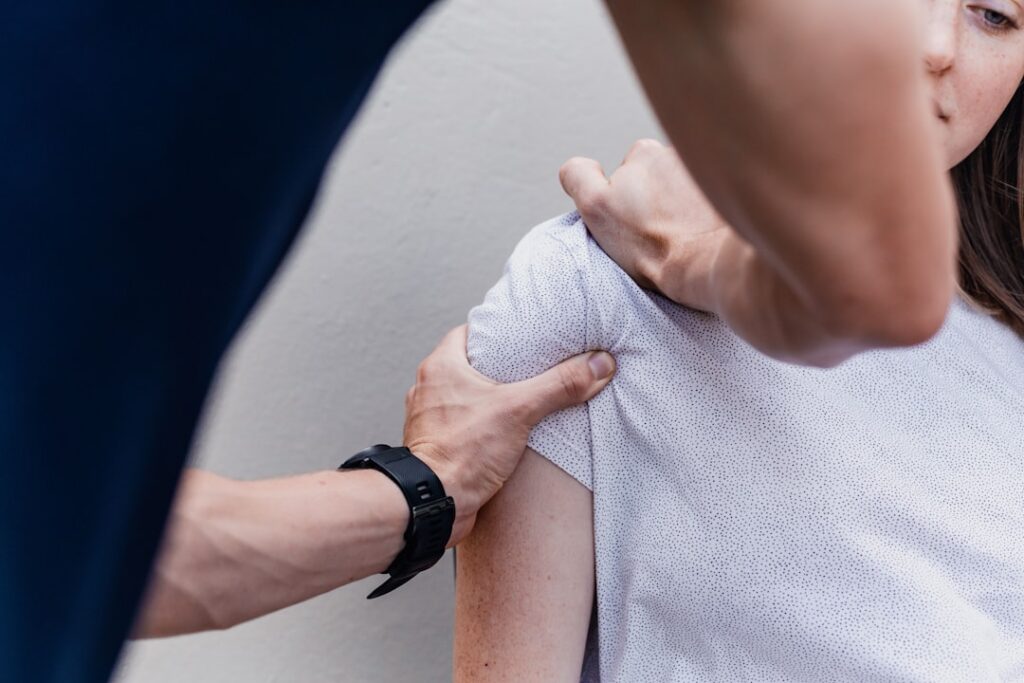
One of the key goals in physiotherapy is to reduce pain and inflammation. Techniques such as manual therapy, soft tissue massage, and gentle mobilisation may be used in the initial stages. These hands-on methods can help improve circulation, relax tight muscles, and alleviate discomfort. In some cases, modalities such as ultrasound or heat therapy might be introduced to support the healing process.
Once pain levels are more manageable, the focus shifts to restoring range of motion and function. This phase often includes guided exercises to gradually improve flexibility and joint mobility. Stretching tight muscles and strengthening weaker areas helps to rebalance the shoulder complex, reducing strain on injured tissues. Your physiotherapist will typically monitor your progress and adjust the programme as needed to ensure continued improvement.
In addition to in-clinic treatments, physiotherapists usually provide home exercise programmes to reinforce gains made during sessions. These exercises are designed to be simple yet effective, encouraging consistent movement without overloading the shoulder. Patient education is also a crucial component. Understanding the mechanics of the shoulder and learning how to move safely can empower individuals to protect the joint during daily activities and sport.
For those dealing with chronic shoulder issues or recovering from surgery, rehabilitation can be more complex. In such cases, physiotherapy needs to be both strategic and progressive. Close monitoring and regular reassessment help ensure that recovery milestones are being met. If complications arise, the plan can be modified promptly to address any setbacks.
It is important to remember that shoulder injuries rarely resolve on their own without some form of intervention. Seeking professional help early can prevent long-term damage and reduce the risk of re-injury. Many people benefit from a comprehensive approach that combines manual therapy, exercise, education, and lifestyle advice. This is where services such as physio for shoulder injury can make a meaningful difference.
Athletes, in particular, are prone to shoulder problems due to repetitive overhead movements and high-impact activities. Whether it’s swimmers, tennis players or weightlifters, physiotherapy can optimise recovery while also enhancing performance. By addressing biomechanical inefficiencies and correcting movement patterns, physiotherapists can help athletes return to their sport stronger and more resilient.
In workplaces where physical tasks are common, shoulder injuries may also be a frequent concern. Reaching, lifting, and carrying can all place stress on the shoulder joint, particularly if done with poor technique or excessive load. Physiotherapy can assist with ergonomic advice, movement retraining and strengthening to reduce the likelihood of injury recurrence.
For residents seeking help with shoulder conditions, local physiotherapy services offer accessible support from experienced professionals. With the right guidance and a commitment to recovery, many people find they can return to their usual activities with confidence and comfort.
Shoulder injuries may be challenging, but they are not insurmountable. With a structured rehabilitation plan and expert care, physiotherapy provides a pathway to healing that is both effective and sustainable. Whether your goal is to return to work, sport, or simply enjoy a pain-free life, investing in proper shoulder rehab can make all the difference.