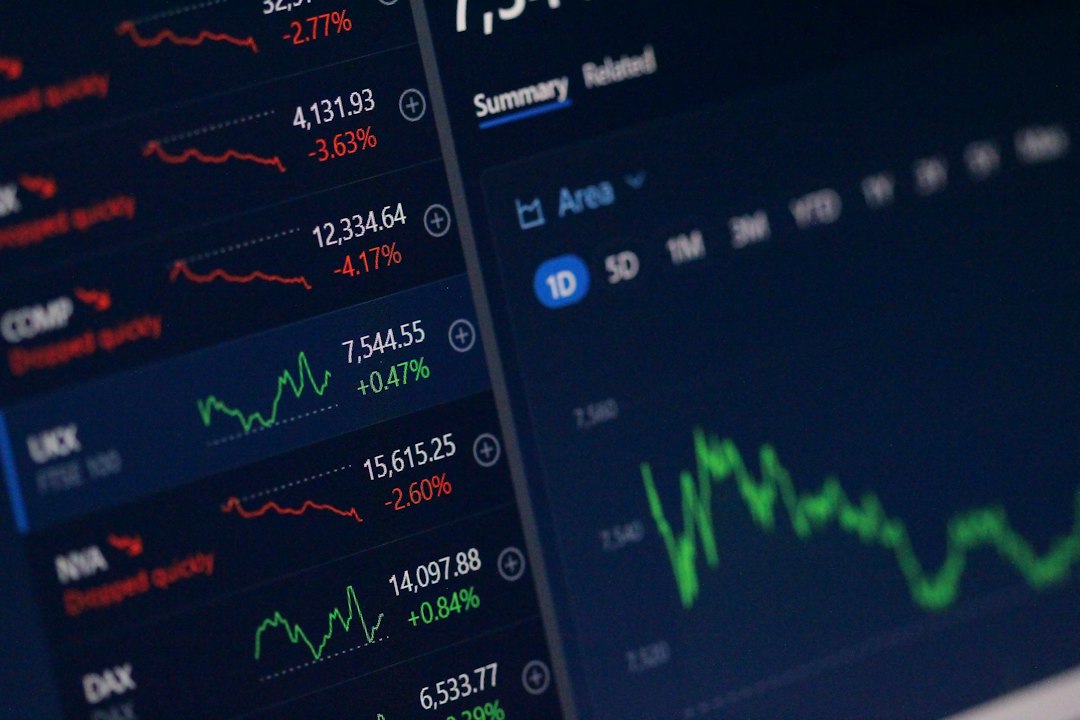


Improving efficiency across the entire trade lifecycle is vital. Automating post-trade activities can make a big difference. For example, adopting a modular capital markets platform lets firms handle trades from execution through clearing and settlement without constant manual intervention. This cuts down on human error and gives traders and managers real-time insight into where each trade stands, which helps avoid costly mistakes.
Technology integration remains a stubborn challenge. Different departments often operate with disconnected systems that don’t share data well. This fragmentation creates data silos, which complicate compliance checks and slow decision-making. A unified platform ensures everyone works from the same information pool, reducing miscommunication and speeding up responses to shifts in market conditions.
Islamic finance institutions face additional hurdles because they must ensure Shariah compliance alongside operational efficiency. Using specialized technology designed for these requirements can automate compliance screening during transactions without interrupting standard workflows. Firms that have tested such systems in live markets report smoother audit trails and stronger client confidence.
Clients frequently report significant cost reductions after switching to integrated automation tools. One firm noted a 30 percent drop in operational expenses, freeing up resources to invest in innovation rather than patching old processes. These savings come from fewer manual checks, faster settlements, and fewer trade errors. Real-world benefits like these make the investment worthwhile for many.
Automation isn’t just about speed; it’s about control. Good platforms let users monitor trades after execution, manage counterparty risk effectively, and ensure settlements happen on time. These controls help prevent unexpected losses and protect profit margins when markets become volatile. For instance, traders can set alerts for unusual activity or delayed settlements, allowing early intervention before issues escalate.
Scalability is another major factor as markets and regulations evolve quickly. Platforms that scale easily let firms adjust capacity or add features without disrupting daily operations. This flexibility is critical when new regulatory rules come into force or when trading volumes spike suddenly. Firms that plan ahead by choosing adaptable systems face fewer headaches down the line.
Clearing and settlement deserve special attention too. Poorly managed clearing processes can increase costs and operational risks significantly. Enhanced automation speeds up settlements and reduces errors, helping firms avoid penalties or liquidity problems. Staff often perform manual reconciliations to catch mismatches early, preventing costly rework later.
Choosing reliable capital markets infrastructure providers matters when upgrading systems. The right technology partner helps minimize disruption while improving efficiency and compliance. Working with providers who understand real-world trading challenges makes implementation smoother and supports long-term growth. Firms should also look for partners who offer ongoing support and updates as regulations change. provides valuable help to institutions aiming to modernize their operations without sacrificing stability.