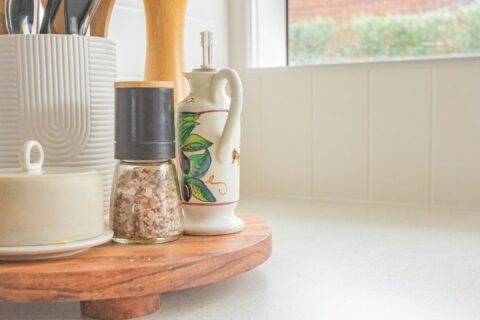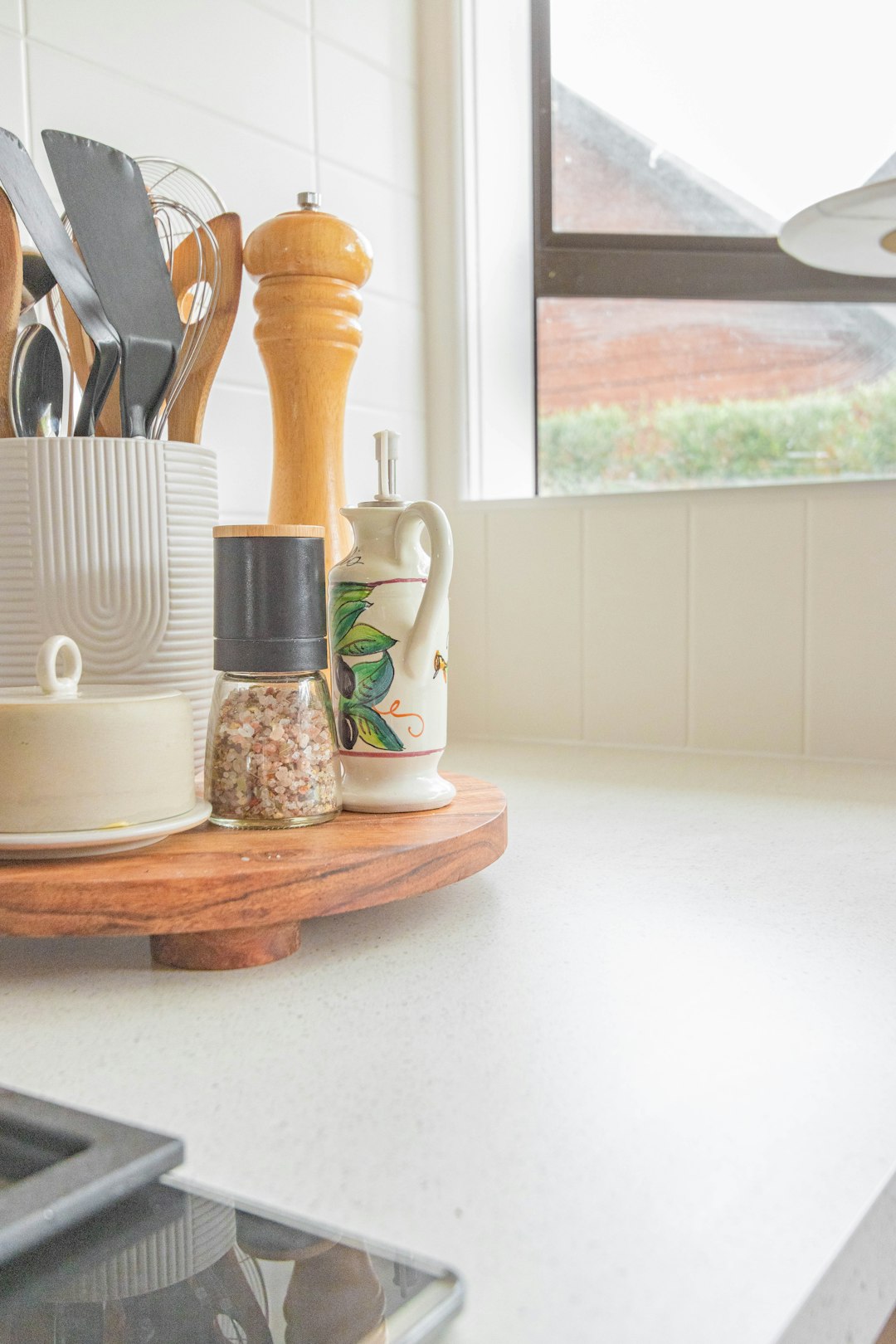
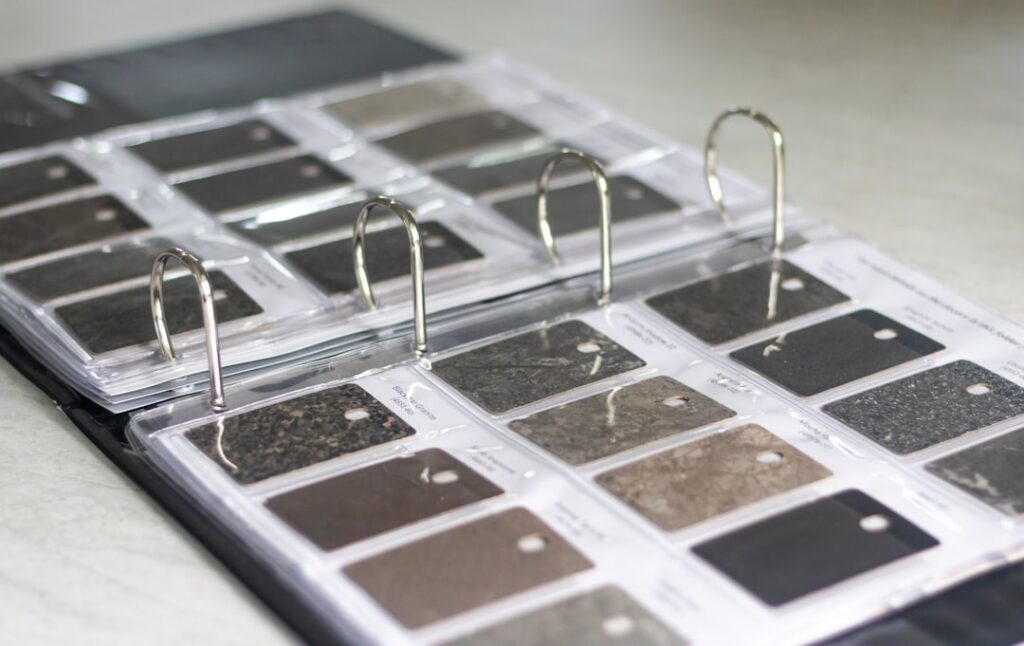
Picture your kitchen with a worn, chipped benchtop that drags down the whole look. Many homeowners face this problem as surfaces age and take a beating. Resurfacing stone benchtops offers a way to refresh your kitchen, bathroom, or laundry without ripping everything out. It’s a practical upgrade that enhances appearance and prolongs the life of your surfaces. The key is choosing the right approach and knowing what to expect from the installation.
One detail often missed is the thickness of the stone surface. A 7mm slab hits a sweet spot between style and strength. Thicker slabs can add weight and cost without much gain in durability. A properly installed 7mm stone benchtop looks sleek but won’t crack or chip from daily use. Installers often double-check measurements and support structures to avoid surprises during fitting.
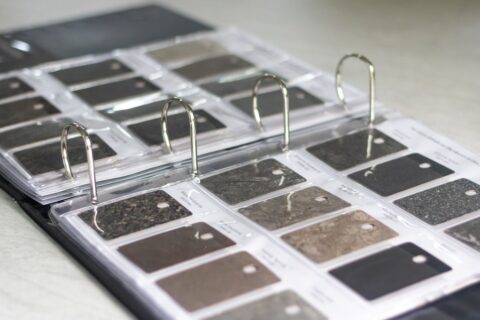
Design matters beyond just picking a colour or pattern. Your new surface should fit with the room’s existing style. For example, a polished granite might jar in a kitchen with rustic timber cabinets and textured walls. Instead, consider honed finishes or muted tones that blend better. It’s common to see clients bring photos of their space or samples of cabinetry to ensure the stone complements what’s already there.
Renovations can drag on when timelines are unclear or communication breaks down. A defined installation schedule helps keep things on track. Contractors who understand stone’s quirks, like needing time for adhesives to set, can prevent delays. Confirming when measurements will be taken, when fabrication happens, and the install date reduces confusion. It’s also wise to ask about cleanup procedures; leftover dust or debris is a frequent annoyance if not planned for.
Warranties on stone benchtops vary widely. Some products come with limited coverage, while others offer longer protection against defects or damage. Don’t assume all warranties cover everything; ask what’s included and how long it lasts. Knowing this upfront avoids arguments later if chips or stains appear. Keep all purchase documents and warranty papers together so you have them handy if needed.
Maintenance is often overlooked until problems arise. Stone surfaces require specific cleaning to avoid stains or dullness. For example, acidic cleaners can etch limestone or marble, while granite needs sealing every year or two. Getting clear instructions from your installer or supplier can save hours of trial and error. Regular wiping with mild detergent and prompt attention to spills extends the life of your benchtop.
If you’re considering upgrades like splashbacks along with benchtops, professional help is worth the investment. Skilled installers will measure precisely and handle cutting without cracking the stone. They can also advise on edge profiles and finishing techniques that suit your usage habits. Poor installation is a common cause of cracks or uneven surfaces, leading to costly fixes down the line.
Choosing stone isn’t just about looks; it’s about fit and function over time. Thickness, design harmony, clear timing, warranty details, and upkeep all shape your experience with stone benchtops. Do your homework and talk to those who’ve done it before you make final choices. That groundwork prevents surprises and ensures your renovation adds lasting value to your home.stone benchtops melbourne
For further information on options and care tips, visit stone surface maintenance advice. Reliable guidance makes a big difference when handling natural materials.