
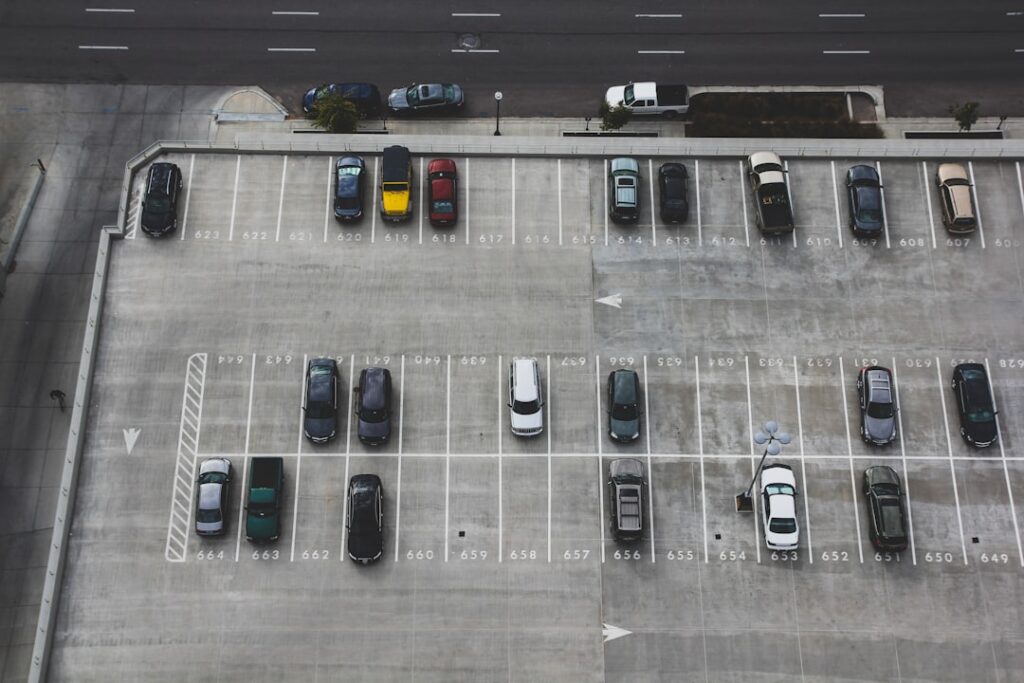
Imagine arriving at your workplace only to find the parking spots you counted on are suddenly taken. This happens more often than you might think, especially when business owners overlook the need for confirmed, dependable parking. Whether an unexpected rush of visitors or a mix-up with the property manager, lacking a guaranteed parking spot can cause headaches and lost sales. A practical step is to double-check your rental agreement details regularly and keep open lines of communication with the property manager to avoid surprises during busy periods.
A frequent stumbling block is unclear communication about parking availability. It’s common for business owners to assume their contract ensures a spot whenever required, but that isn’t always true. You should clarify peak times, shared usage by other tenants, and any scheduled events nearby that might affect access. Confirming these details can prevent last-minute conflicts and keep your daily operations on track. For instance, checking the property manager’s monthly calendar or any notices displayed onsite can offer early warnings about restrictions.
Understanding your business’s specific parking needs is another area often missed. If your operation involves deliveries, having spaces close to loading zones is non-negotiable. A standard spot far from your entrance won’t cut it. Taking time to map out where your vehicles need to be, and what types of vehicles will park there, helps avoid costly inefficiencies. When I worked with a small courier firm, they lost time because their designated spots were too distant from their main loading bay, something simple site planning could have prevented.
The size and accessibility of parking spaces also matter more than many realize. Vehicle dimensions vary widely, and if your clientele includes families or people with disabilities, you need to ensure accessible parking is available and compliant with local regulations. Overlooking this can frustrate customers and damage your reputation. Checking the exact measurements of your vehicles against the space dimensions provided in the rental agreement is a practical step that avoids surprises. Also, confirming that accessible spots are not just present but convenient to your entrance is key.
Costs can quickly spiral if you don’t consider the pricing structure carefully. Some locations charge by the hour; others offer monthly leases. Depending on how frequently you or your staff use the spots, one option may save money over the other. Many businesses benefit from reviewing their parking expenses quarterly against actual usage patterns. This review often reveals opportunities to switch agreements or renegotiate terms, freeing up funds for other priorities.
Exploring multiple avenues for securing parking is wise. Local rental services often have detailed knowledge of available spaces and can tailor options to your requirements. Networking with nearby businesses can also uncover less obvious spots or informal arrangements that might not be advertised widely. For example, a neighboring retailer once shared unused weekend parking spaces with us, easing our weekend customer flow.
Keep an eye on local developments and regulations that can affect parking availability near your premises. New building projects, roadworks, or zoning changes can alter parking conditions quickly. Staying informed through local council updates or community meetings allows you to adapt before issues arise. If you find your current setup affected, you can always explore alternative car park rental options in your area to maintain smooth business operations.
For tailored needs, consider contacting specialized services that manage parking space rentals in your vicinity. They can provide specifics about size, accessibility, and cost that align with your business model. Keeping documentation of all agreements and regularly revisiting terms helps avoid misunderstandings and keeps your parking arrangements aligned with your evolving business demands.