
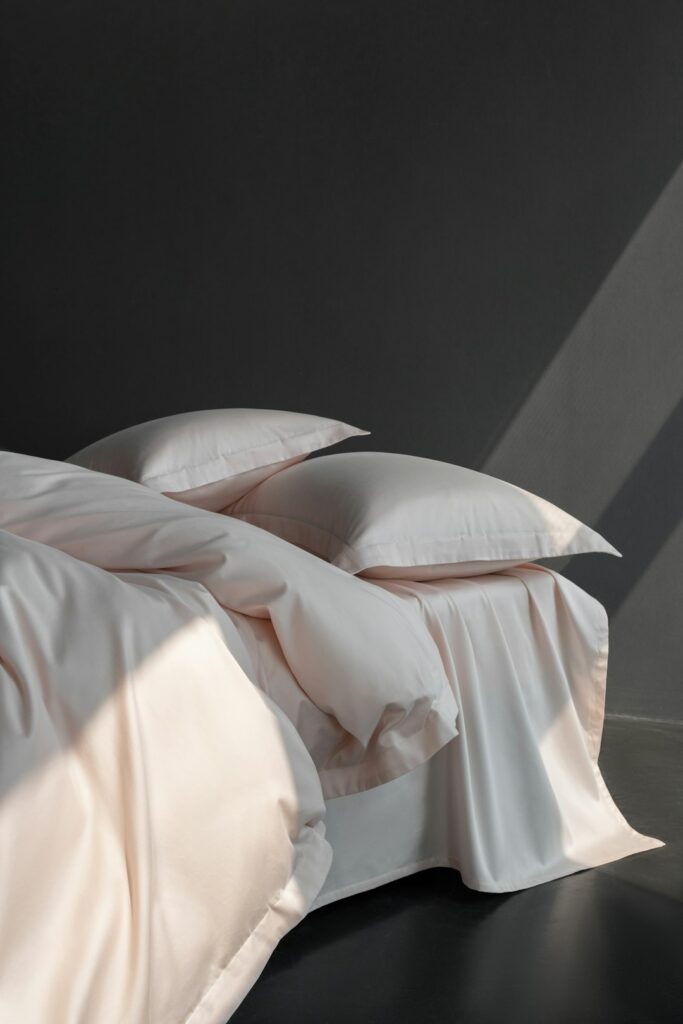
A boutique hotel may look perfect on the surface, with stylish decor and eye-catching design, but if the bedding feels rough or the pillows lack support, guests won’t return. Complaints about scratchy sheets or flat pillows are surprisingly common and can quietly sink a hotel’s reputation. Owners often focus on the visual appeal of rooms but neglect the basics that make sleep comfortable. This oversight can lead to negative reviews and lost loyalty, which no amount of style can fix.
Consider an Airbnb host trying to save money by buying cheap linens. At first, it seems like a smart move, cutting costs without sacrificing much. But after a few stays, guest feedback reveals dissatisfaction with thin duvet covers that wrinkle easily and pillows that feel lumpy or unsupportive. These small details affect sleep quality and repeat bookings. Investing in quality linen bedding sets creates a better experience that guests notice and appreciate.
Choosing the right bedding involves more than just picking pretty fabrics. Thread count is one of the technical factors that influences comfort. While higher thread counts usually mean softer sheets, extremely high counts can sometimes make fabrics less breathable. It’s about balance. Natural fibers like cotton or linen tend to offer better airflow and moisture management than synthetic blends, which helps regulate temperature for a restful night. Fabric weight and weave also affect durability and feel.
Pillows deserve special attention. They come in many varieties, each providing different support levels. Memory foam molds to your head and neck, offering targeted comfort, while down pillows deliver a plush, cloud-like softness. Some guests prefer firmer options like latex or buckwheat-filled pillows. Knowing these differences lets hosts customize their bedrooms to suit a wider range of preferences, reducing complaints about neck pain or discomfort.
Protecting your bedding investment is equally important. Mattress protectors guard against spills, dust mites, and allergens, improving hygiene and extending mattress life. Duvet covers shield comforters from stains and wear, making cleaning easier. Regularly checking these protective layers for damage or dirt is a simple habit that prevents bigger problems later. Keeping bedding clean and intact not only improves guest satisfaction but also lowers replacement frequency and cost.
Adding layers such as blankets or quilts can elevate comfort and style simultaneously. A lightweight blanket offers extra warmth during cooler nights without overheating, while quilts add texture and depth to the bedding ensemble. These accessories allow for seasonal adjustments and can brighten a room’s look with color or pattern. Mixing textures like linen with soft cotton or wool can create an inviting atmosphere that makes guests feel more at home.
Good sleep depends on more than just covering a mattress; it’s about creating an environment where comfort comes first. Thoughtful selection of linen bedding sets, pillows tailored to different needs, and protective coverings all contribute to a better guest experience. Happy guests leave positive reviews and return more often. For those ready to upgrade their bedroom offerings, exploring linen bedding sets is a solid place to start.
Small details matter too. For example, keeping an inventory checklist helps prevent running out of clean sets during busy periods, avoiding last-minute substitutions that compromise quality. Communicating with cleaning staff about proper laundering techniques ensures linens retain their softness and durability over time. These practical steps support consistent comfort that keeps guests satisfied.
For further advice on optimizing bedroom supplies, visit bedding advice for rental homes. It’s a practical resource for hosts and hoteliers aiming to improve their sleep environment without unnecessary expense.