
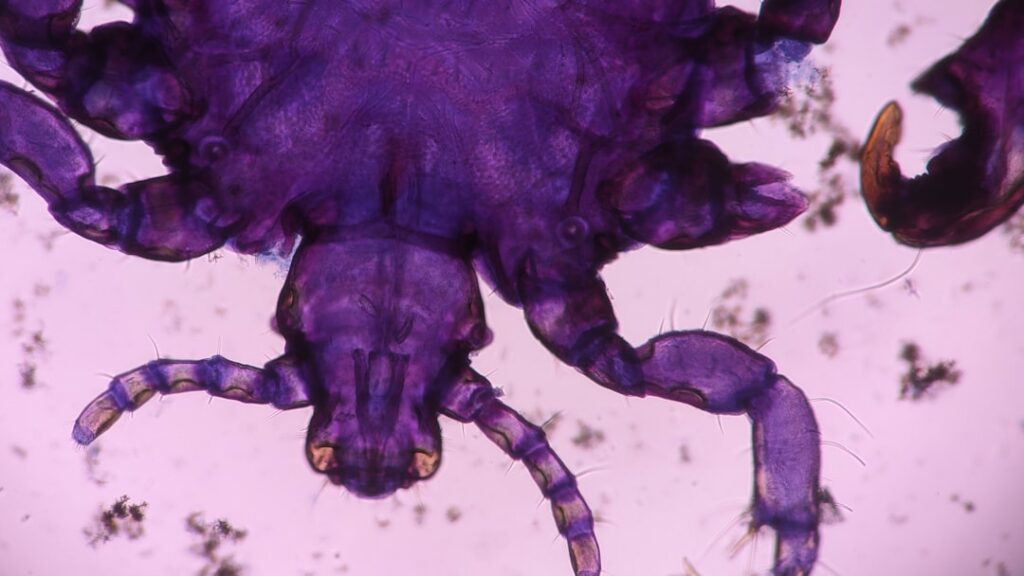
Watching a child suffer from digestive troubles, constant tiredness, or mood swings can be frustrating for any parent. Often, these signs hint at something overlooked: worm and parasite infections. Young children are particularly vulnerable, especially when exposed to contaminated soil, unwashed vegetables, or untreated water. Parents need to know how to detect these infections early and act effectively to protect their child’s health over time.
Many people turn to over-the-counter worming tablets as a quick fix, but these often fall short. They may kill some parasites but rarely eradicate them all or prevent the cycle from repeating. A common mistake is assuming one dose is enough. Parasites have different life stages and require targeted treatments. Also, without addressing hygiene and environment, reinfection happens fast. Understanding parasite types and their habits helps decide when and what kind of treatment is appropriate.
Preventing infection starts with straightforward habits. Washing hands thoroughly after outdoor play or before meals cuts down risks dramatically. Cooking meat and fish to safe temperatures kills many parasites that might be lurking. Avoiding drinking water from unfiltered sources is another essential step. Regular medical check-ups can catch infections before symptoms become severe. Parents often overlook this preventive care, focusing instead on reacting once symptoms appear.
Knowing how parasites reproduce and spread changes how you approach cleaning and treatment. Some worms lay eggs that can survive in dirt or on surfaces for weeks. If toys or bedding aren’t cleaned properly, children can pick up infections again quickly. Teaching kids to avoid putting dirty hands or objects in their mouths breaks this cycle. It’s the small habits, like washing hands after petting animals or before eating, that make a big difference.
Some natural remedies offer additional support during a parasite cleanse. Garlic has been used traditionally for its antimicrobial effects, while pumpkin seeds contain compounds thought to paralyze parasites. Herbal teas like wormwood or peppermint may ease digestive discomfort and help flush out worms gently. Still, it’s important to talk with a healthcare provider before starting any herbal regimen to avoid harmful interactions or side effects.
For those looking for a more systematic approach, certain programs combine dietary adjustments with herbal supplements to support gut health while targeting parasites. These plans aim not just at killing parasites but also restoring the balance of beneficial bacteria in the intestines. For example, following a low-sugar diet reduces food that parasites thrive on. Products like the best parasite cleanse offer tailored options that some find helpful.
Practically speaking, parents should keep a symptom journal noting changes in digestion, sleep, and energy levels during treatment. This record helps healthcare providers assess progress and adjust plans if needed. Another useful habit is cleaning bed linens and stuffed toys weekly in hot water during an infection period to reduce egg exposure. Small details like trimming fingernails regularly prevent eggs from collecting under nails and spreading further.
Understanding worm and parasite infections comes down to consistent hygiene and informed choices about treatment and prevention. Sharing clear information with children about safe food habits and cleanliness empowers them to avoid infection sources. For more advice on maintaining digestive health and preventing reinfection, visit gut health support resources.