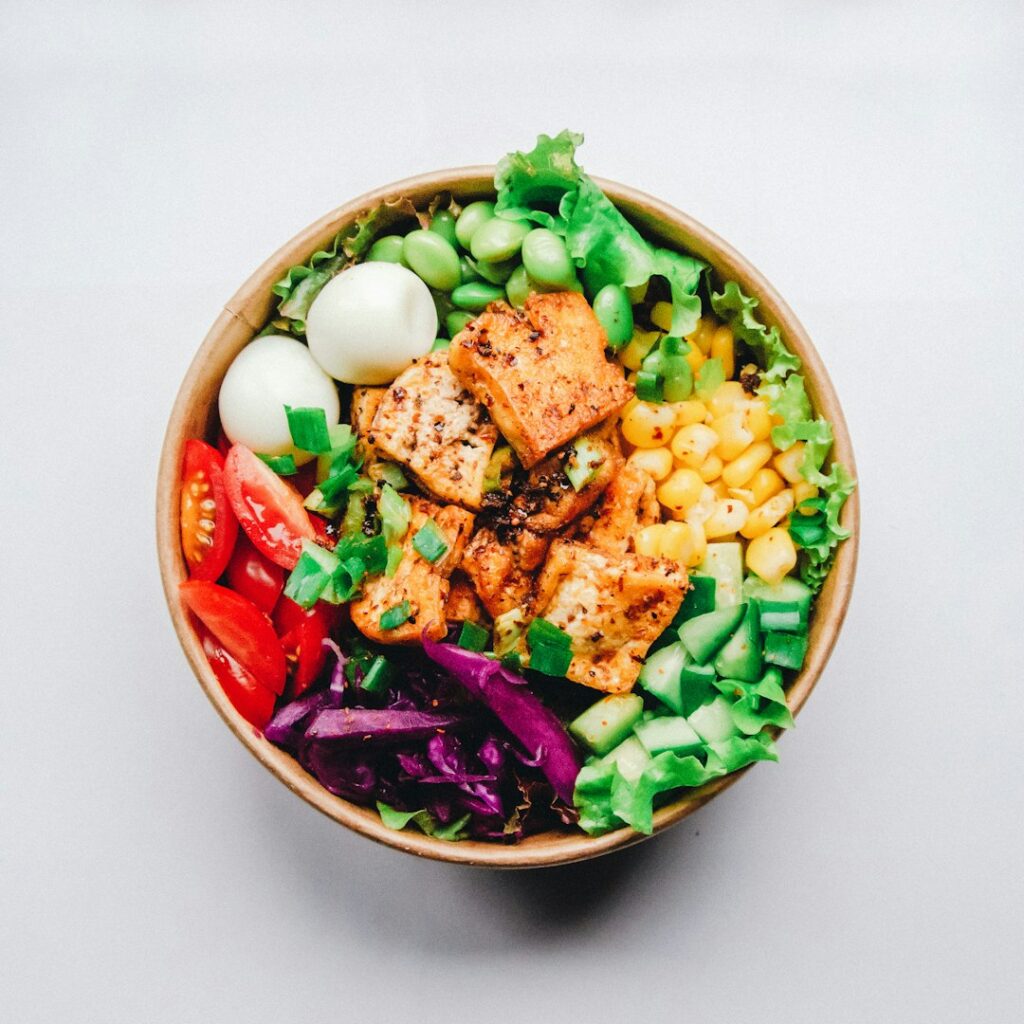

Vinnie Finn is a name that comes up frequently in Los Angeles when discussing commercial food photography. He works mainly on national advertising campaigns and branding projects, focusing on capturing the authentic qualities of each dish. His method includes using natural light whenever possible to convey freshness and employing specific camera angles that highlight texture and detail, so even the simplest ingredients look elevated. One practical tip he follows is testing multiple light setups onsite to avoid unwanted shadows that can dull the image.
Composition matters more than most realize. Arranging the elements within the frame guides the viewer’s attention and shapes how the dish is perceived. Applying the rule of thirds keeps photos balanced and naturally appealing, while leaving negative space around the subject helps isolate it from distractions. In practice, this means careful placement of utensils, napkins, or garnishes , details that often get overlooked but make a big difference in the final shot.
Styling food is an art in itself. Photographers often team up with stylists who arrange ingredients and props to bring out visual appeal. It’s not just about making the plate look perfect, but about telling a story that fits the brand’s message. Small touches like sprigs of fresh herbs or a sprinkle of seasoning can transform a flat image into something mouthwatering. Many professionals keep a catalog of reusable props and garnishes to speed up shoots and maintain consistency across images.
Lighting is a constant challenge. Soft, diffused light tends to work best because it reveals color and texture without harsh shadows or glare. Photographers regularly use reflectors or diffusers to control light intensity and direction on site. For example, capturing sparkling drinks requires adjusting angles and light sources repeatedly to catch the right shimmer without reflections spoiling the shot. It’s common to spend extra time here to avoid retakes later in post-production.
Post-processing helps polish images but requires restraint. Editing software can boost colors, fix minor imperfections, and balance exposure, but going too far risks creating unrealistic photos that disappoint customers expecting what they see online. Experienced photographers often compare shots side-by-side with the actual dish during editing to maintain authenticity. They also keep detailed notes on edits applied to each photo for future reference or re-edits requested by clients.
For restaurants or brands wanting stronger visual identity, working with a skilled la food photographer like Vinnie Finn can make a big difference. High-quality images don’t just support marketing; they communicate craftsmanship and quality that resonate with viewers. As more diners browse menus online or on social media before deciding where to eat, investing in thoughtful photography becomes less optional and more necessary.
Bringing together composition, styling, lighting, and careful editing takes experience and patience. The best photographers understand these elements aren’t isolated but parts of a process where each decision affects the next. They focus on clear communication with clients to align expectations early , avoiding common missteps like shooting without final plate presentation or skipping test shots under different lighting.
If you want your culinary creations to stand out visually, consider working with professionals who know how to translate food into captivating images. Visit food photography techniques explained for more practical advice from someone who’s spent years perfecting this craft.