
When it comes to low power medical device development, there are a few aspects you need to know. First, you must understand the different types of low-power medical devices and what each type entails. Second, you need to clearly understand your target audience and how you can reach them. Third, you must ensure that your device complies with all applicable regulations. And finally, you need to have a solid team to help bring your device from concept to reality. This article will discuss each of these points in more detail.
The Types Of Devices
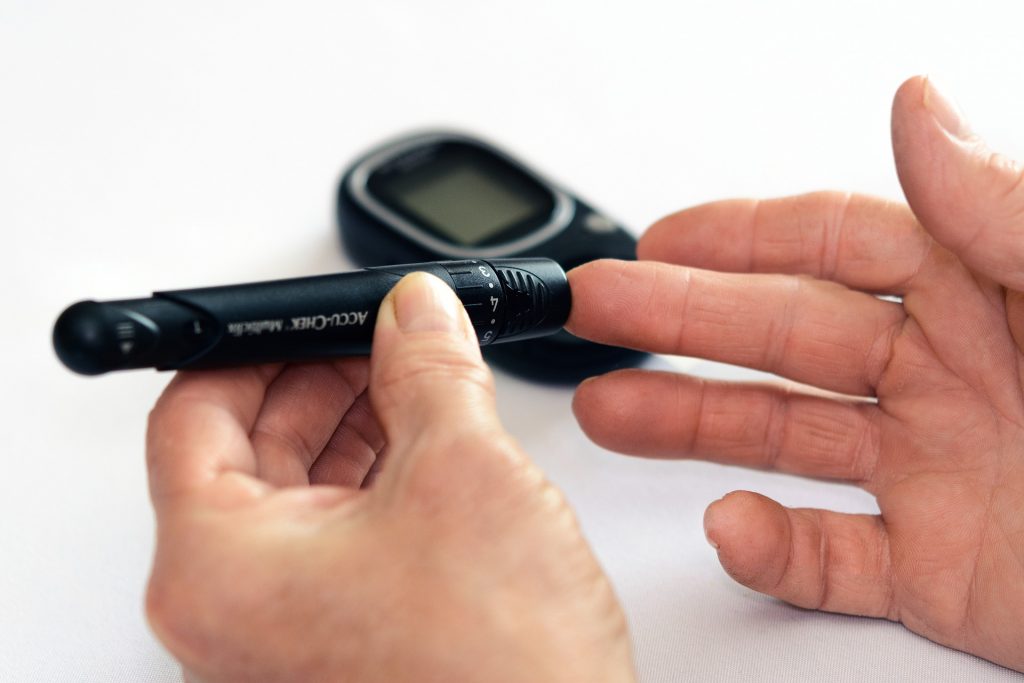
There are two main types: Class I and Class II. Class I devices pose little to no risk to the patient. They include items such as tongue depressors, bedpans, and crutches. Class II devices are those that pose a moderate risk to the patient. These include items such as blood pressure cuffs, glucometers, and pacemakers.
Your Target Audience
When it comes to developing this device, you need to have a clear idea of your target audience. Who will be using your device? What are their needs? How can you reach them? Answering these questions is essential to ensuring that your device is successful. Your target audience will dictate the features of your device. For example, if you are developing a low-power medical device for children, you will need to ensure that it is easy to use and child-friendly. On the other hand, if you are developing a low-power medical device for seniors, you will need to make sure that it is easy to read and understand.
The Need for Low Consumption
Medical devices run on batteries, and battery life is always a concern. Patients don’t want to constantly change batteries or worry about their devices running out of power. As such, one of the key concerns in their device development is ensuring that the device consumes as little power as possible. There are a number of ways to reduce power consumption in medical devices. One is to use energy-efficient components. Another is to design the device so that it can enter a low power mode when not in use. It is also essential to consider how the device will be used. For example, if a patient needs to use the machine for long periods, it is vital to ensure sufficient battery life. On the other hand, if the device is only used for short periods, then battery life may not be as big of a concern.
To conclude, low power medical device development is a complex process. There are many factors to consider in order to ensure that the device consumes as little power as possible. By using energy-efficient components and designing the device for low power consumption, you can help reduce the device’s overall power consumption.