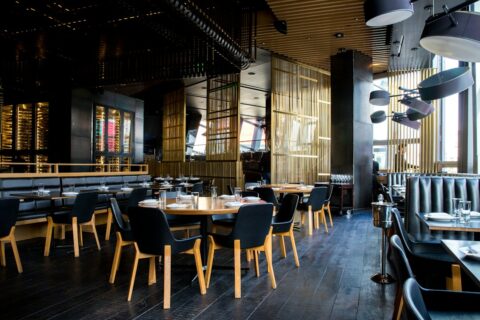
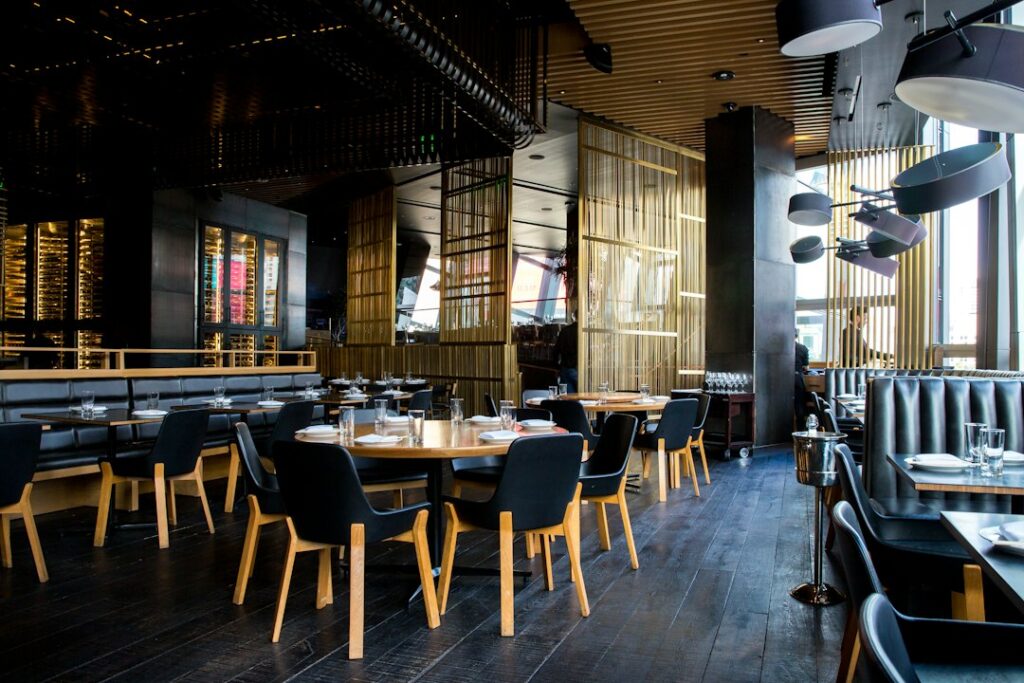

The couple’s second mistake was booking around an empty calendar slot instead of the room’s likely mood. A table available at an awkward time may place them between early family dinners and a later music set. This is where ambience matters. Ambience means the combined effect of lighting, furnishings, view, sound, and activity, not merely whether a room looks attractive online. An oceanfront dining room can feel intimate at one table and exposed at another. Before reserving, diners should ask whether they prefer a quiet corner, a view, or proximity to live entertainment, since those choices can conflict.
A better approach starts with the occasion. For an anniversary, a table with an ocean view and enough space for an unhurried meal may matter more than the most central seat. For a first date, manageable background sound and attentive pacing may be more useful than a dramatic setting. Seafood and prime steaks offer flexible choices for different appetites, while an Ocean Drive location adds a natural sense of place. Browsing romantic restaurants miami can help frame the search around atmosphere, food, and location together rather than relying on a glossy image.
The menu also deserves practical attention before the reservation is made. A couple once selected a restaurant because one partner wanted seafood and the other preferred steak, then discovered they had not allowed enough time to discuss allergies, cooking preferences, or shared courses. Menu balance means having appealing options for different diners without forcing either person into a compromise. Pacing is another technical concept worth understanding: it describes the timing between ordering, starters, main courses, and dessert. Diners seeking romance should tell the host or server if they want a leisurely meal, because rushed courses can undermine even a beautiful setting.
Sound deserves the same care as food. Live music can give an evening energy, but acoustic volume determines whether two people can speak comfortably. Acoustics is simply the way sound travels and behaves in a room. Hard surfaces, crowded tables, and amplified performances can make conversation difficult, while a more separated table may soften the effect. A restaurant offering live music nightly may suit guests who want entertainment with dinner, whereas someone planning a serious conversation should ask about the schedule and seating. The better approach is not to label music as good or bad, but to match its volume and timing to the occasion.
Timing can improve the experience before the first course arrives. Guests who want a drink and a livelier start might consider a happy hour at a nearby bar area, while those seeking a quieter meal may prefer to arrive after the busiest transition. A reservation window is the expected arrival period attached to a booking; arriving far outside it can complicate seating, especially during a popular evening. For group dining, the calculation changes again. A larger party needs clear confirmation of guest count, table arrangement, menu preferences, and whether the event requires a private or semi-private setup.
The finished plan is simple: define the mood, inspect the menu, ask about sound, and reserve a table that supports the conversation. A couple choosing dinner for a proposal might prioritize a scenic seat and calm pacing, while friends celebrating together may welcome music and a more social room. Checking ocean drive dinner reservations with those questions in mind is more useful than chasing an idealized photograph. The original diners did not need a flawless restaurant; they needed a deliberate match between place, timing, food, and purpose. That small shift turns a hopeful booking into a considered evening.