
Hospitals are hectic places where every second counts. Nurses and doctors deal with a constant stream of tasks, from giving medications to updating patient charts. A datamatrix reader speeds things up by quickly scanning codes on wristbands or medication packaging. This cuts down errors and helps staff make sure each patient gets the correct treatment without wasting time double-checking paperwork. A common habit is for nurses to glance at the patient’s wristband after scanning, confirming the name and date of birth to avoid mistakes.
Retail stores also rely heavily on datamatrix readers, especially during busy hours. Picture a crowded supermarket with long checkout lines. Cashiers equipped with fast scanners can process items rapidly, easing customer frustration and moving the queue along. Staff often keep a small cleaning cloth nearby since smudges or dirt on barcodes can cause the scanner to miss a read, which slows everything down. These readers support both 1D and 2D codes, so they handle everything from price tags to promotional labels.
Choosing the right datamatrix reader isn’t just about speed. Technical specs matter depending on the use case. For example, labs often use tube readers that can scan tiny codes on test samples. This ensures accurate tracking throughout the testing cycle. Some models include adjustable focus to accommodate different distances, which is handy when switching between scanning close-up items and packages on shelves. Staff in these environments usually follow a routine to check the scanner’s calibration daily to avoid misreads.
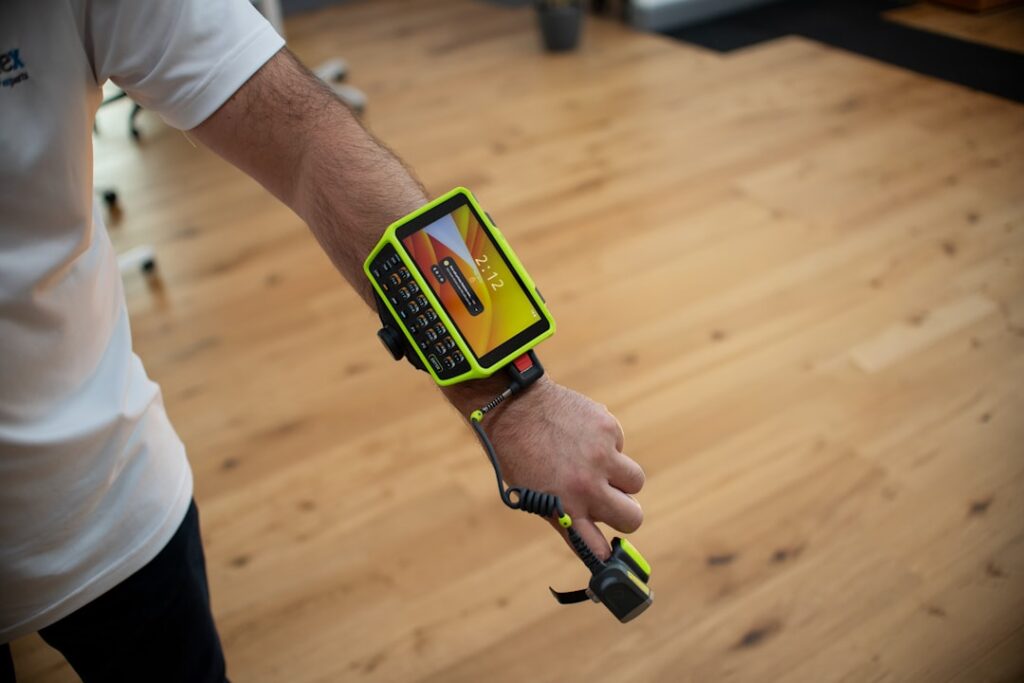
Wireless models add freedom of movement, especially in warehouses where workers pick products off shelves. Without cords tying them down, employees can scan items while walking through aisles, updating inventory data in real time. This mobility reduces errors caused by manual entry later. However, it’s common practice to keep spare batteries or charging docks nearby because wireless scanners can run out of power during long shifts.
Durability is another factor to consider. Barcode readers often face drops, spills, or dust in factories and hospitals. Many are built tough, with shock-resistant housings and water-resistant seals to keep working despite rough handling. It’s typical for users to inspect their equipment weekly for cracks or damage since a cracked lens can affect scanning accuracy. Such rugged designs reduce downtime and help maintain steady workflows.
Self-service kiosks with barcode scanners are becoming more popular in retail settings. These let customers scan their own items, speeding up checkout and freeing employees for other tasks like restocking or assisting shoppers. The scanners in these kiosks need to be easy to clean and maintain since they get heavy use and occasional mishandling. Staff often schedule regular cleaning and software updates to keep the systems running smoothly.
Industries evolve and so do the devices they rely on. Investing in advanced scanning technology like a datamatrix reader can improve efficiency in healthcare, retail, labs, and warehouses alike. Knowing what features matter, whether it’s wireless capability, durability, or multi-code support, helps businesses pick tools that fit their daily demands.
Whether verifying patient identity or speeding through checkout lines, effective scanning tools save time and reduce errors. As operations scale up, having reliable readers prevents costly delays and mix-ups. For practical advice on selecting hardware tailored to specific environments, professionals often turn to barcode scanning options for inventory control, which covers key features needed for various industries.