
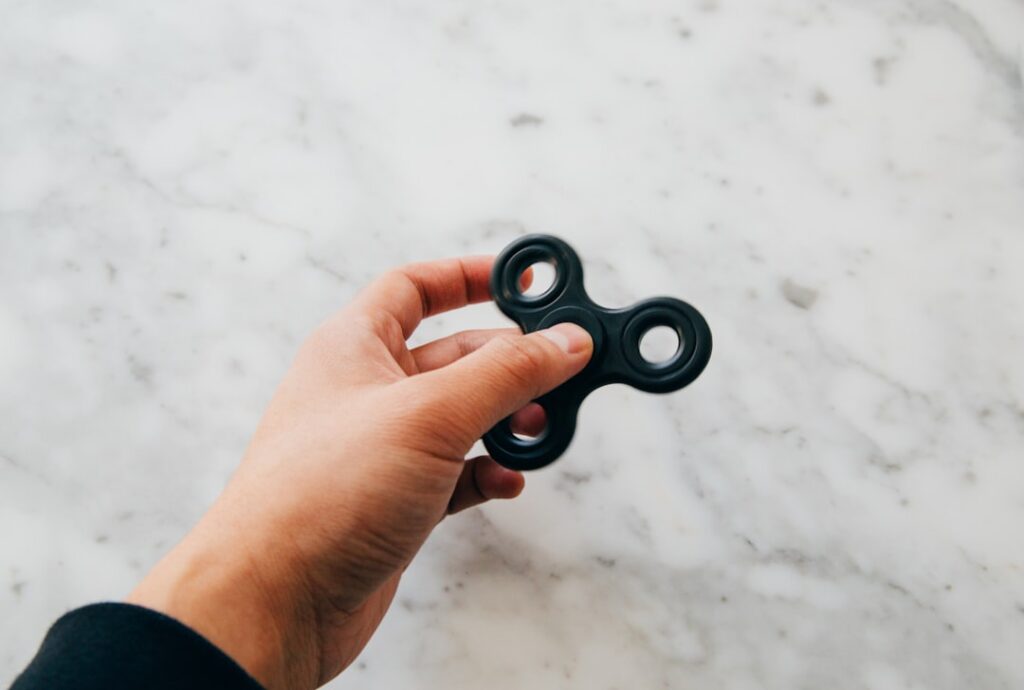

Fidget toys come in many shapes and textures to match different sensory preferences. Some people find relief in soft, squeezable items like squishies or tangle toys, which provide a comforting tactile sensation. These toys act as a quiet outlet during tense situations. Others might gravitate toward fidget spinners or cubes, which deliver subtle engagement through spinning, clicking, or rolling without drawing attention in social environments. Knowing what type of stimulation feels right can save time and frustration.
Weighted items deserve a closer look as well. Deep pressure from weighted blankets or lap pads often calms the nervous system, creating a grounding effect. This kind of sensory input can settle an overwhelmed mind and body, making it easier to concentrate. For instance, using a lap pad during study sessions or stressful meetings can help maintain composure. It’s worth experimenting with these options to find what best supports your needs.
Not all fidget tools are handheld. Visual aids like sensory timers and liquid motion tubes offer another layer of engagement. Watching sand trickle or colored liquid swirl provides a momentary mental break, helping to reset focus before moving on. These tools work well in classrooms or offices where attention spans are tested regularly. They offer a different kind of sensory input that complements tactile toys.
Choosing the right fidget toy means considering personal preferences and context. One person might find comfort in the repetitive squeezing of a soft toy, while another prefers the rhythmic clicks of a fidget cube. It’s common to try several types before settling on what fits best. A practical approach is to carry a few small options and see which ones are most effective during typical daily activities.
Browsing specialized collections can reveal unexpected finds suited to your sensory profile. New arrivals like puzzles designed for tactile and cognitive stimulation offer fresh ways to engage both mind and body. Many users keep notes on how different toys affect their focus and anxiety, refining their selections over time. Checking product details carefully ensures that materials are safe and durable, especially important for children or those who chew on their toys.
Quality and value matter when selecting fidget tools. It helps to rely on trusted sources that provide transparency about materials and safety standards. You want products that support long-term use rather than quick gimmicks. For dependable options, consider the range available at best fidget toys for adhd. They offer a balance of affordability and reliability that’s hard to beat.
Introducing fidget toys into everyday routines doesn’t require overthinking. Start simple: pick items that feel comfortable and unobtrusive. Pay attention to when and how you use them, sometimes switching tools depending on the environment makes a big difference. Over time, these aids can become subtle yet effective companions in managing restlessness and improving focus.sensory tools for focus provide additional options worth exploring if you want variety beyond the basics.