
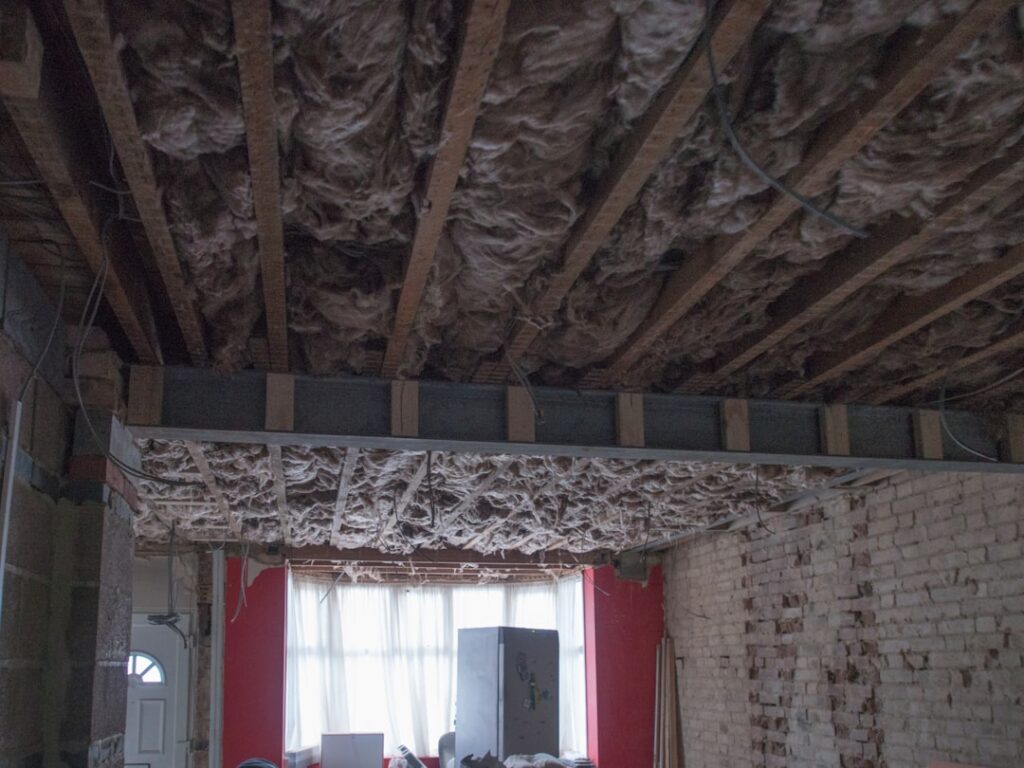

One common pitfall is using old or too-thin insulation materials. Some opt for cheap options that don’t meet current building standards. This can leave gaps where cold air sneaks in, wasting the heat generated inside. Professional loft insulation fitters evaluate the property’s needs carefully. They suggest materials like mineral wool or spray foam, which perform better when installed properly. They also check for even coverage and correct thickness.
Trying to install insulation without experience often leads to compressed material, which reduces its ability to block heat loss. For example, a couple once tried a DIY loft job but ended up bunching up the insulation in spots. As a result, parts of their home stayed cold no matter how high the thermostat was set. Skilled fitters know how to lay insulation flat and evenly, avoiding this problem.
Moisture is another factor that can cause trouble in loft spaces. Incorrect installation may trap dampness, encouraging mold growth and weakening the building structure over time. Qualified installers include vapor barriers to prevent moisture buildup. This protects both the insulation’s effectiveness and the home’s integrity.
In one case, a small business owner noticed staff were complaining about inconsistent temperatures in their office. The culprit was poor loft insulation allowing heat to escape in winter and enter in summer. Bringing in experienced loft insulation fitters helped create a more stable climate and cut energy bills significantly.
Beyond materials and moisture control, fitters ensure installations comply with local regulations. This avoids potential problems like failed inspections or needing costly rework later. They know which certifications to check and keep detailed records that homeowners often overlook but prove useful down the line.
Hiring professionals also means getting tailored advice. They assess factors like roof type, ventilation, and existing insulation condition before recommending solutions. For example, a flat roof might require different products than a pitched one, and some homes need additional air barriers to improve performance.
Energy savings are just part of the benefit. Properly insulated lofts improve comfort noticeably by eliminating drafts and cold spots. People tend to underestimate how much heat escapes upwards until they feel the difference after installation. Reliable loft temperature control methods can make winter months far more bearable without cranking up heating costs.
In short, investing in qualified loft insulation fitters pays off with better warmth, lower bills, and fewer headaches over time. Anyone thinking about upgrading their home or workplace insulation should consider professional help to get it right from the start.