
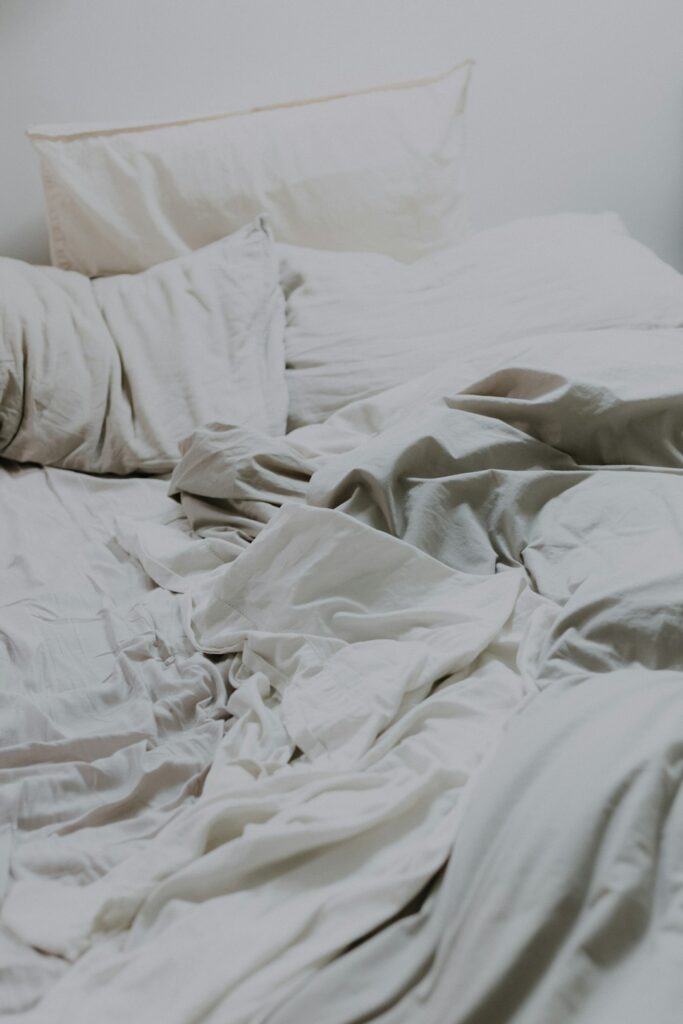

Many shy away from linen thinking it demands too much care. Yes, it’s different from synthetic fabrics. Washing linen at low temperatures and skipping bleach protects the fibers. But that’s part of the routine with most quality textiles. Linen actually softens over time and develops a lived-in feel that’s hard to beat. I’ve seen boutique owners hesitate before adding linen bedding to their lineup, only to find customers coming back for the durability and texture that get better with age.
Cost is another sticking point. High-grade linen isn’t cheap, but there are affordable options without sacrificing quality. It’s about knowing what you need: thread count isn’t the only factor; the weave and finish matter just as much. For hotels or guesthouses, investing a bit more can pay off. Guests notice the difference in comfort and often mention the linens specifically when they return. A hotel owner I spoke with said switching to linen reduced complaints about night sweats and restless sleep.
Understanding linen starts with the raw material. Linen comes from flax, and its fibers are thicker and stronger than cotton’s. That strength means it can take repeated washing without falling apart or losing shape. Linen’s natural sheen adds subtle elegance, suitable for both casual bedrooms and upscale suites. It’s not just about looks; it’s about lasting quality.
The weaving process plays a big role in linen’s performance. Most linen bedding uses a loose weave that encourages air circulation. This airflow prevents moisture buildup inside the fabric, which reduces the risk of mold or mildew, a real concern in humid climates or busy homes. Real-world experience shows that people who switch to linen often notice fewer musty odors and less dampness in their bedding.
Transitioning to linen isn’t just about picking any set off the shelf. Many online retailers now provide detailed guides covering thread count, weave types, and fabric weight. These resources help shoppers match linen sets to their specific needs and environment. For example, a colder region might benefit from a heavier weave, while someone in a tropical area might opt for a lighter one. Checking care labels closely saves headaches later, some linens need gentle cycles or line drying to stay in shape.
linen bedding sets offer a practical way to upgrade your sleep environment with a fabric that blends comfort and durability. With proper care, these sets maintain their look and feel for years.
For those wanting more hands-on advice about integrating linen into their homes or hospitality business, sleep environment improvement tips provide helpful guidance beyond product specs. These insights cover everything from fabric maintenance to matching linen styles with room decor.
Using linen bedding changes how you experience rest and your space’s atmosphere. Clearing up myths about upkeep and cost opens the door to appreciating what linen really offers: a balance of natural comfort, resilience, and understated style.