
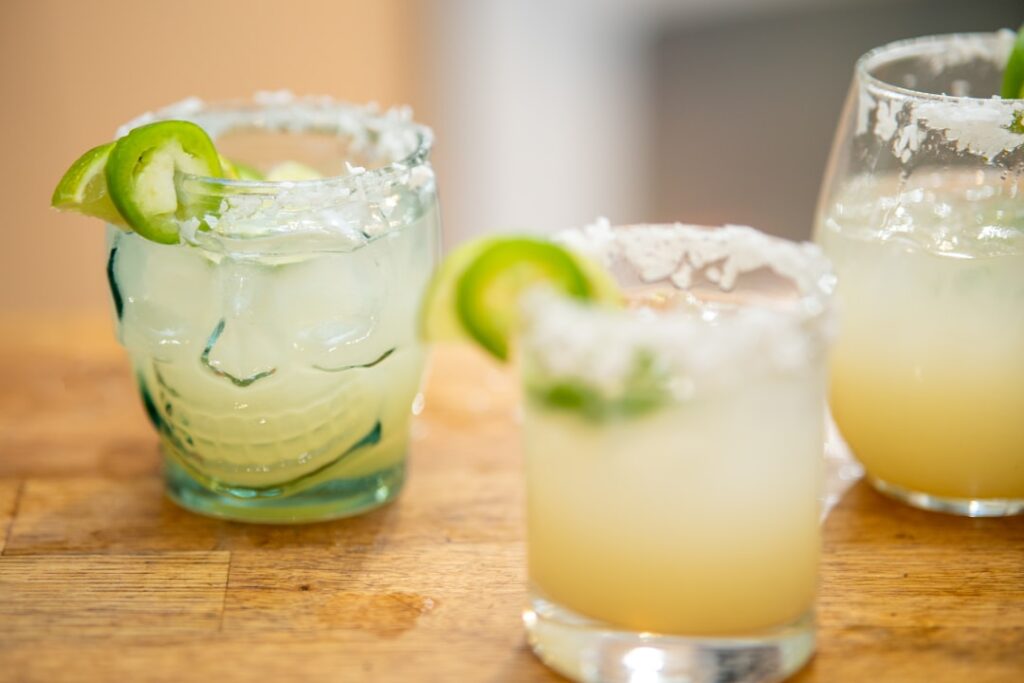

The base of every margarita is tequila, but not all tequilas are created equal. Blanco tequila is unaged, offering a clean, bright flavor that’s perfect for those who want a crisp cocktail. Reposado spends months resting in oak barrels, lending richer, woodier notes. Añejo ages even longer, producing smooth and complex flavors that work well in upscale settings. Bar managers often match tequila types to their clientele; a stylish rooftop venue might showcase a rare añejo to appeal to guests after an indulgent experience.
Balancing sweet and sour is where the craft deepens. Traditional recipes mix lime juice with orange liqueur, but innovation is common. Some bars add fruit purees or flavored syrups to attract younger crowds seeking something different. This approach can bring new customers, but it risks alienating purists who want a classic taste. Knowing the customer base inside out helps bartenders decide whether to stick with tradition or push boundaries.
Presentation matters just as much as flavor. Serving a margarita in a salt-rimmed glass garnished with fresh fruit adds texture and enhances taste. Quality glassware isn’t just aesthetic; it influences how the drink feels and looks, especially when patrons share photos online. Investing time in garnishes like a lime wheel or a sprig of fresh herbs can elevate the entire drinking experience.
Ingredient sourcing impacts both flavor and costs, a balance every bar owner must manage. Freshly squeezed lime juice delivers sharper, livelier acidity compared to bottled options, but it also requires extra prep time and storage. Bartenders often squeeze limes by hand during busy shifts to keep drinks consistent, which can slow service if not anticipated. Using fresh ingredients is a selling point but demands efficient workflow to keep labor costs manageable.
Marketing these drinks effectively can boost sales considerably. Social media thrives on vibrant images of cocktails, so bars encourage patrons to post their margaritas. Pairing this with timed promotions like happy hours or seasonal specials can drive foot traffic during quiet periods. It’s practical to track which promotions correspond with sales spikes to refine marketing efforts over time.
For those wanting deeper insights about making great margaritas, resources like can provide useful local perspectives. Additionally, Los Angeles cocktail culture guide offers tips on flavors and trends that resonate with area patrons.
Finding the right mix of quality ingredients, creative recipes, and smart promotion isn’t simple. Bars that succeed pay attention to details like ingredient freshness, glassware selection, and customer preferences. Small habits, such as training staff to squeeze limes efficiently or standardizing garnish placement, can prevent mistakes and improve consistency. In a city full of options, those who understand their audience and deliver on both taste and presentation stand the best chance of building loyal followings.