
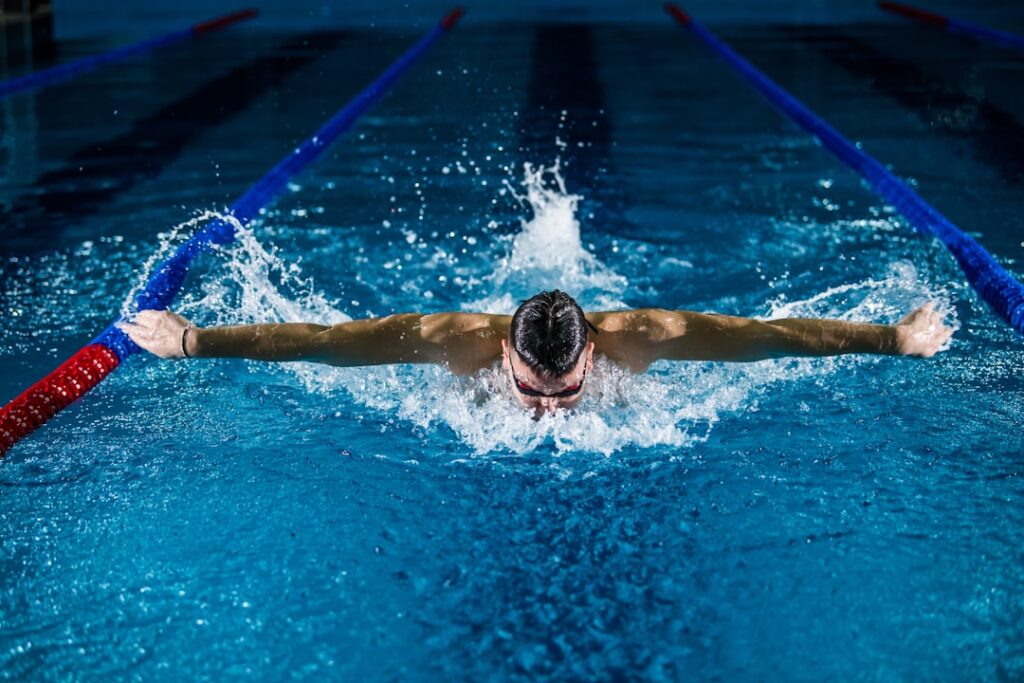

Visualization is a powerful tool. Picture yourself going through every movement with precision: a swimmer imagining each stroke slicing through water, or a sprinter seeing their perfect start off the blocks. This mental rehearsal builds confidence and helps engrain muscle memory, so your body reacts without hesitation during competition. It’s not just daydreaming , it’s practicing success before you even begin.
Setting specific goals keeps your progress measurable and motivation steady. Instead of vague ambitions, break your goals into clear milestones. A runner might aim to shave five seconds off a personal best, then focus training on pacing or endurance. Tracking these small wins prevents burnout and lets you adjust tactics if progress stalls. Writing down goals after each session also helps clarify what’s working and what isn’t.
Mindfulness techniques offer a way to stay grounded. Deep breathing exercises or brief meditations before an event can quiet the chatter in your head. Imagine a tennis player taking a few breaths between points to reset focus rather than dwelling on mistakes. These moments help you stay present on the task instead of spiraling into anxiety about outcomes that aren’t under your control.
Positive self-talk is often overlooked but critical. The internal dialogue shapes how you handle pressure. Replacing negative thoughts like “I might fail” with affirmations such as “I’m ready and capable” strengthens resilience. An athlete who practices this consistently can bounce back faster from setbacks during training or competition. It’s common to rehearse these phrases aloud during warm-ups.
Working with a coach or sports psychologist skilled in mental preparation techniques can tailor strategies to your unique strengths and weaknesses. They often help identify mental blocks that athletes miss on their own, such as fear of failure or perfectionism. These professionals provide tools that fit your personality and sport rather than offering generic advice.
A practical habit many athletes adopt is reviewing performance footage not only for physical technique but also to observe their emotional responses. Noticing patterns like frustration after errors can guide mental training focus. Also, keeping a journal to log thoughts before and after competition reveals triggers for anxiety or distraction.
Adding these mental skills to your routine changes how you experience sport. You compete with more clarity and less internal noise, which often leads to better results. Prioritizing mental readiness alongside physical conditioning opens new avenues for growth, making training and competing more rewarding.
For ongoing support and tailored advice on building mental toughness, check resources like mental coaching for athletes. Integrating these methods consistently lets you face competition with confidence rather than doubt.