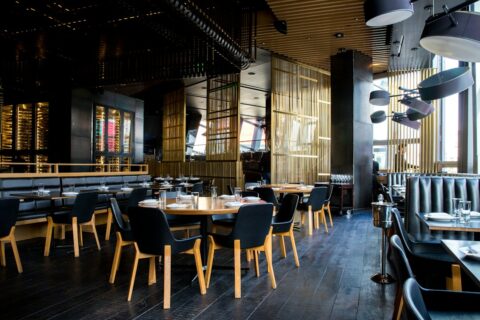
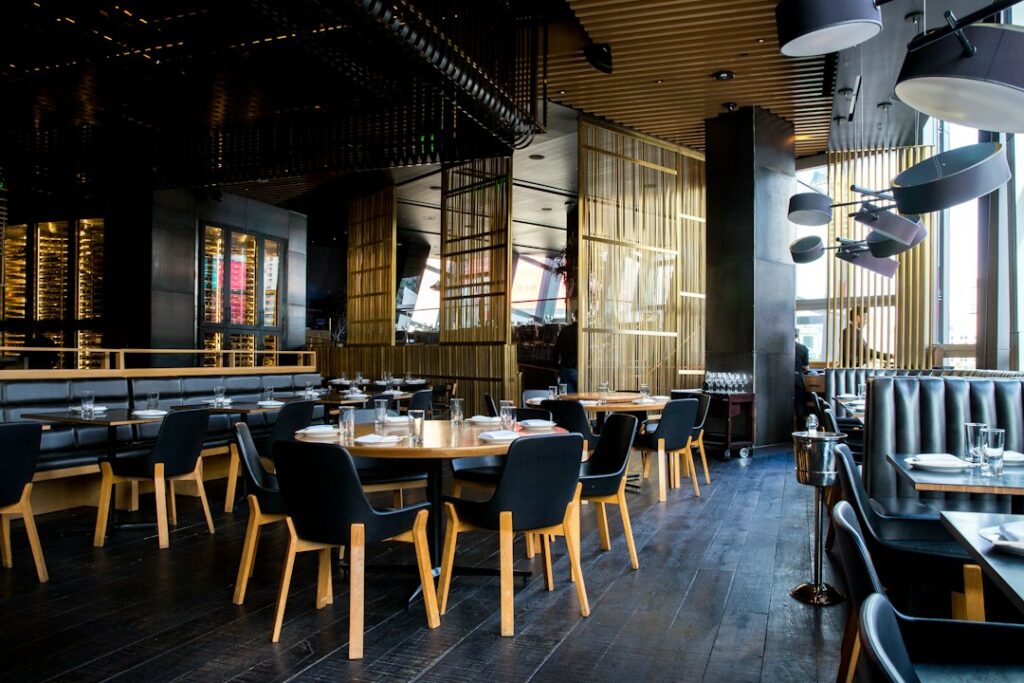

Guest count is only the first part of the space calculation. Tell the restaurant whether people will remain seated, circulate with drinks, or move between dinner and a presentation. A seated meal can accommodate speeches and a fixed course schedule, while a cocktail reception needs open floor area for conversation. Ask for a proposed floor plan instead of relying on the stated maximum capacity. Tables, a buffet, a cake table, speakers, or a slideshow screen can reduce usable space. Twenty four guests might fit comfortably at connected tables but feel crowded if everyone needs room to stand and mingle. Request a diagram or marked-up room photo before paying a deposit.
Menu planning should happen before the proposal becomes final. A prix fixe menu sets the courses and price per guest, which helps the kitchen prepare and gives the host a clearer budget. Family-style service sends shared platters to the table, while plated service gives each person an individual sequence of courses. Ask how the restaurant will handle steak temperatures, seafood preferences, vegetarian meals, allergies, and children who may not want the main menu. Put dietary notes in the guest spreadsheet rather than relying on a last-minute phone call. If you are comparing private dining miami options, request the current group menu and confirm whether it applies to your date and party size.
Financial terms need to be separated into their actual components. A food and beverage minimum is a required spend on eligible items, and it may be different from a room rental charge. Ask whether wine, cocktails, taxes, service charges, entertainment, and administrative fees count toward the minimum. A dinner with modest food orders may reach the required total through wine, while a daytime event with little alcohol may not. Ask for a sample calculation showing the subtotal and each added charge. Hosts often compare only the menu price, then find that service fees or a separate room charge changes the expected total. Written figures make proposals easier to compare.
The schedule should include more than the time printed on the invitation. Confirm when vendors may enter, whether setup and cleanup use the reserved hours, and how long guests can remain after the final course. A retirement dinner may need a short window for a toast, cake, or slideshow. A client meal may depend on quiet conversation and a firm end time. If the restaurant offers live music, ask where the performers sit and whether the sound level can be adjusted. Music can support a social celebration, but it may interfere with remarks, presentations, or a discussion that requires guests to hear one another clearly.
Location and access details affect attendance and comfort. Verify the guest entrance, valet or public parking options, rideshare drop-off point, and the route from the entrance to the event area. Ask about stairs, narrow corridors, restroom access, and seating for anyone who cannot stand for long periods. An ocean view also deserves a specific question: will the tables face the water, or will the group sit in an interior section that shares the same building? If a happy hour period is advertised from 3 to 7pm, confirm whether private events receive those prices, which drinks qualify, and whether the offer applies to the room reserved for your date.
A written event brief prevents small assumptions from becoming expensive rework. It should show the date, arrival time, guest range, room assignment, table arrangement, menu, beverage service, minimum spend, deposit, cancellation terms, and the name of the event contact. Ask when the final headcount is due and whether substitutions carry an extra charge. Keep the latest version in the same folder as the signed proposal and highlight any changes after a phone call. For a group considering miami beach group dining, the brief should also state whether the setting is private, semi-private, or part of the regular dining room. That wording prevents a scenic location from being mistaken for an exclusive booking.
Before invitations go out, check the practical details against the final document rather than an earlier email. Confirm the arrival instructions, dress expectations if any, dietary request deadline, payment method, and whether guests may order outside the agreed menu. A host can then send one concise message with the address, entrance information, start time, parking guidance, and a contact number for late arrivals. If the guest count changes, notify the restaurant before the stated deadline and ask for an updated charge or seating plan in writing. This simple final check keeps the invitation, restaurant contract, and host’s own notes aligned.