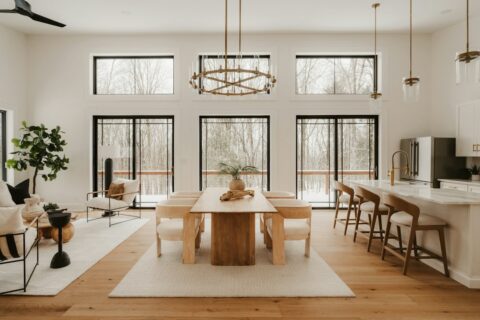
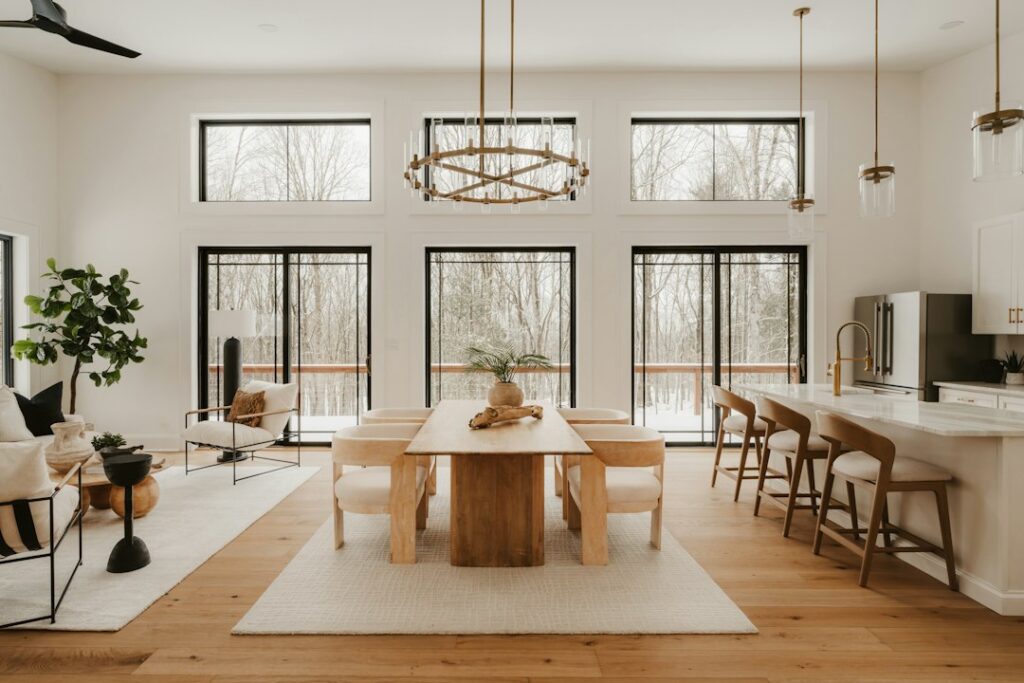

Capacity figures need context. Twelve seats may feel comfortable for a seated tasting menu, yet crowded if guests will stand, mingle, or give short presentations. Ask the coordinator to explain whether the quoted number assumes one long table, several smaller tables, or a reception arrangement. The floor plan should show more than furniture. It should make clear how servers enter, how guests reach their seats, and whether a door opens directly into the dining area. A host planning a birthday dinner, for example, may need room for six early arrivals before the rest of the party appears.
Hosts comparing private dining rooms san francisco should examine the menu format as closely as the room. A prix fixe meal follows a set selection of courses, while a tasting menu usually offers smaller portions over several stages. Either format can suit a private event, but the trade-offs differ. A fixed sequence can keep service organized, while a shorter or simpler menu may work better for guests with limited appetites. Confirm how allergies, vegetarian requests, children, and substitutions are handled before invitations are sent.
Beverage planning deserves its own conversation. If wine pairings are offered, ask whether guests can choose individual drinks or whether the whole table must follow one arrangement. Confirm that a zero-proof option includes considered pairings or suitable alternatives, rather than a last-minute soft drink. Put the agreed menu and beverage plan in writing, including the deadline for submitting dietary information. That small record prevents a familiar source of rework: a host discovering on the event date that a dietary request was mentioned in an email but never added to the reservation notes.
The evening’s timing should match its purpose. Service pacing refers to the intervals between courses, clearing plates, speeches, and dessert. An anniversary dinner may benefit from a leisurely sequence, while a team meal with a firm departure time may need fewer pauses and a shorter reception. Tell the event coordinator when guests must leave and whether anyone will speak. Ask whether the kitchen can briefly hold a course for a toast without disrupting the table. A useful habit is to bring the printed schedule or invitation timeline to the planning call, rather than estimating from memory.
Privacy is partly visual and partly acoustic. Enclosed walls do not guarantee quiet conversation, since hard surfaces can carry sound and nearby dishwashing, music, or service doors may remain audible. During a site visit, stand at opposite ends of the room and speak at a normal volume. Check whether a glass partition blocks sightlines but still lets noise through from the main dining area. For a client dinner, that distinction may matter more than decorative finishes. Also inspect lighting, restroom access, step-free routes, coat storage, and the location of any presentation equipment.
Cost terms should describe the entire booking, not just the per-person food price. Ask whether the arrangement uses a room fee, a minimum spend, or both, and confirm what counts toward that amount. Request the full treatment of tax, service charges, deposits, cancellation timing, and guest-count changes. A party that falls from ten guests to eight may alter the spending plan even if the room stays reserved. Share parking and transit guidance with visitors coming from across the Bay Area. For hosts assessing a multi-course event, reviewing bay area tasting menus can clarify the pacing and level of commitment before they choose a room.