
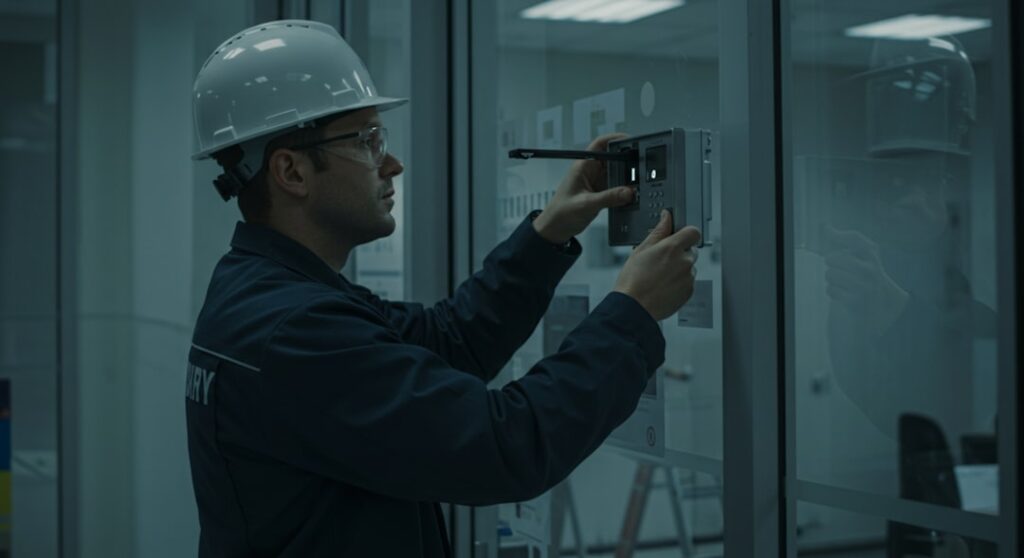

A well-prepared report often includes detailed notes on flooring conditions, wall paint quality, plumbing functionality, and electrical system checks. For example, after inspecting an oven that heats unevenly, noting this allows maintenance to address the issue before it becomes a tenant complaint. Property managers also frequently cross-reference these reports with lease agreements to clarify tenant responsibilities, reducing disputes over damages when tenants move out.
Technology now offers ways to make inspections faster and more accurate. Using tablets or smartphones during walkthroughs lets managers capture photos and jot down observations on the spot. AI-powered software then compiles this data into polished reports automatically. This cuts down paperwork and reduces errors caused by forgotten details or rushed note-taking. It also frees managers to focus on planning maintenance schedules rather than scrambling to fix problems after they arise.
Integrating condition reports with property management platforms connects inspection findings with budgeting and work order systems. For instance, if a water heater shows signs of leakage, the system can immediately create a maintenance request and update financial records to allocate funds accordingly. This direct link between inspection and action helps prevent issues from slipping through unnoticed, improving overall property upkeep.
Tenant involvement adds another layer of value to these reports. Including sections where tenants can provide feedback or report minor issues encourages communication and early problem detection. When tenants see their input reflected in reports, they tend to take better care of the property and report problems promptly, creating a more cooperative living environment.
If you want to improve how you manage your properties, consider adopting property condition reports. They bring transparency to everyone involved, landlords, managers, and tenants alike, helping keep properties in good shape and relationships straightforward.
While some still rely on paper forms and manual entries, digital tools offer clear advantages. Features like 360-degree virtual tours let managers inspect spaces remotely without sacrificing detail. Going paperless also means everyone on your team can access reports instantly, speeding up communication and decision-making.
In real estate management today, solid inspection tools are more than a convenience; they’re a necessity. Embracing modern methods like maintenance tracking for rental properties positions you ahead of others stuck with outdated workflows. Whether overseeing a handful of units or hundreds, investing in reliable inspection technology is a practical step toward smoother operations.