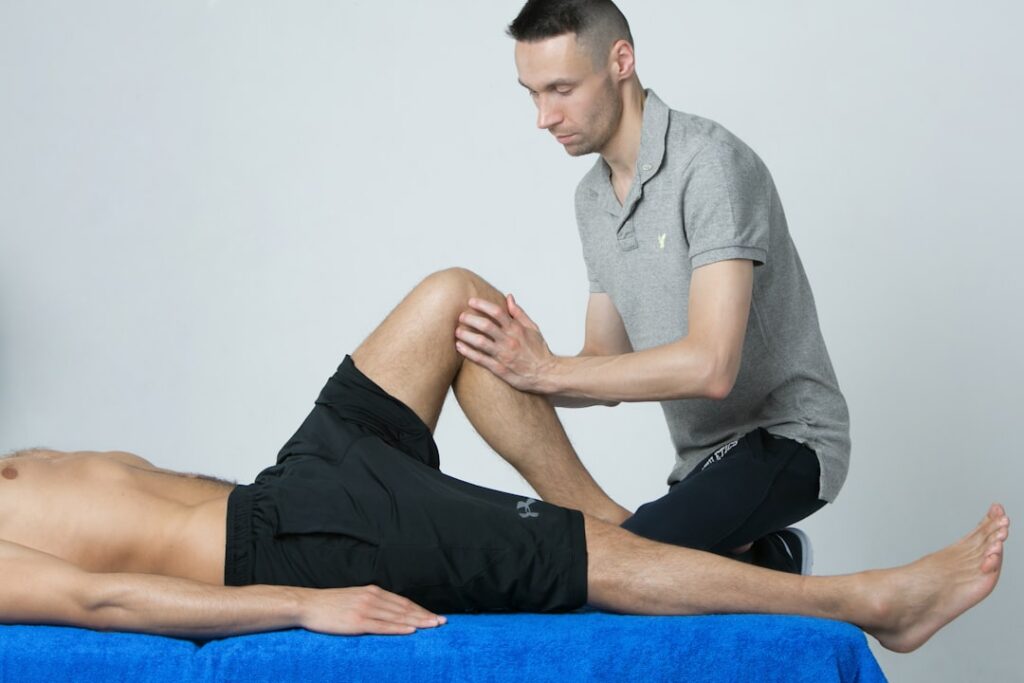

Too often, shoulder pain is brushed off until it worsens. A physiotherapist will analyze the specific motions that trigger discomfort and create a tailored plan to restore your shoulder’s function. Manual therapy techniques can ease pain by loosening tight muscles and improving joint mobility. Exercises targeted at strengthening the muscles around the shoulder help protect against recurring injuries, which are common if the rehab is rushed or incomplete.
Exercise physiologists contribute by designing programs aimed at improving strength and flexibility. For example, if raising your arm overhead is stiff or painful, carefully chosen stretches can gradually restore range of motion. These specialists track how your body responds to movement, adjusting your routine to avoid setbacks and speed up healing.
Rushing back into activity is a frequent mistake that leads to re-injury or chronic pain. A structured strength and conditioning plan builds resilience in the shoulder muscles and joints, helping you return safely to daily tasks or sports. This approach is especially important for athletes who rely heavily on shoulder function for performance.
Dry needling is an increasingly popular method used by some physiotherapists to address persistent muscle tightness and trigger points. It involves inserting fine needles into specific areas to relieve tension and encourage healing. Although not suitable for everyone, dry needling can be effective if other treatments don’t fully resolve the pain.
Programs like GLA:D offer education and exercises focused on managing osteoarthritis symptoms while maintaining activity levels. Learning proper joint mechanics helps prevent aggravating existing shoulder conditions. Such programs emphasize practical strategies to stay mobile without overloading damaged tissues.
Taping methods provide external support during recovery without restricting movement completely. Kinesiology tape, for example, assists in stabilizing the shoulder while allowing you to perform rehabilitation exercises more comfortably. Applying tape correctly requires skill; otherwise, it may fail to support or even worsen symptoms.
In severe cases involving fractures or significant trauma, casting may be necessary to immobilize the shoulder temporarily. This step protects the injury during initial healing before physiotherapy begins. Transitioning carefully from immobilization to active rehab ensures the best chance of regaining full function.
For detailed information on how we approach shoulder injuries, visit shoulder physio liverpool. Our team prioritizes practical assessment and hands-on treatment to get you moving again.
If you want personalised advice on managing your shoulder condition and improving strength, rehabilitation guidance in liverpool offers relevant support tailored to your lifestyle and goals.